
Molecular biology assay service


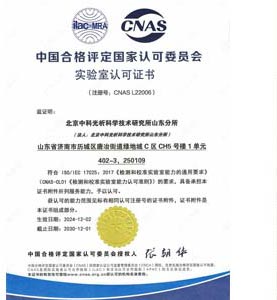
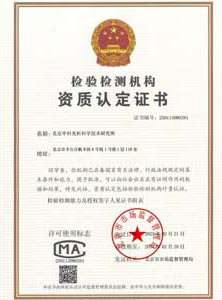

Commitment: Our testing process strictly follows international standards and specifications to ensure the accuracy and reliability of results. Our laboratory facilities are fully equipped with the latest instruments and leading analytical methods. We strictly control every step, from sample collection and processing to data analysis, to ensure clients receive trustworthy test results.


Molecular Biology Assay Service – Comprehensive Nucleic Acid Analysis, Gene Expression Profiling and Genotyping for Research, Diagnostics and Biopharmaceutical Development
As an ISO/IEC 17025 accredited contract testing laboratory, we provide a comprehensive suite of molecular biology assay services to pharmaceutical, biotechnology, diagnostic, agricultural, and academic clients. Our state‑of‑the‑art molecular biology facility is equipped with real‑time PCR systems, digital PCR platforms, next‑generation sequencers, capillary electrophoresis instruments, and automated nucleic acid extraction workstations. We deliver accurate, reproducible, and regulatory‑compliant molecular data that supports target discovery, biomarker validation, genetic stability testing, pathogen detection, and pharmacogenomics. All methods are aligned with ICH Q2(R1), FDA Guidance for Bioanalytical Method Validation, EMA Guideline on Bioanalytical Method Validation, CLSI guidelines, and ISO standards, and our reports are recognised by the National Medical Products Administration (NMPA), the U.S. Food and Drug Administration (FDA), the European Medicines Agency (EMA), and the World Health Organization (WHO) for product registration, clinical trial submissions, and quality assurance.
Sample Types and Nucleic Acid Sources We Analyse
Our molecular biology laboratory handles a wide range of biological matrices and nucleic acid sources. Typical test articles include:
- Clinical and biological specimens – whole blood, plasma, serum, buccal swabs, tissue biopsies, formalin‑fixed paraffin‑embedded (FFPE) sections, cerebrospinal fluid (CSF), urine, and saliva
- Cell culture and bioprocess samples – cell pellets, culture supernatants, and viral vector preparations
- Environmental and food samples – water, soil, air filters, and food products for pathogen detection and microbial source tracking
- Pharmaceutical and biological materials – master cell banks (MCBs), working cell banks (WCBs), virus seed stocks, and gene therapy vectors
- Plant and agricultural samples – leaves, seeds, roots, and processed plant products for pathogen detection, genetically modified organism (GMO) testing, and genotyping
- Forensic and identity testing samples – stains, hair, and degraded samples for DNA profiling and species identification
Nucleic Acid Extraction and Quality Assessment – The Foundation of Reliable Molecular Data
High‑quality nucleic acid extraction is the critical first step for any molecular assay. We use validated and automated extraction methods to ensure consistent yield, purity, and integrity.
- Automated and manual nucleic acid extraction – tailored to sample type and downstream application – We employ a range of silica‑based, magnetic bead‑based, and phenol‑chloroform extraction methods (e.g., Qiagen, Promega, and in‑house validated protocols) to isolate genomic DNA, total RNA, miRNA, and viral nucleic acids from a variety of sample types. The extraction protocol is optimised to maximise yield and remove inhibitors (e.g., haem, polysaccharides, humic acids) that can affect PCR performance.
- Quality control of extracted nucleic acids – spectrophotometry, fluorometry and gel electrophoresis – ISO 17025 – We assess nucleic acid concentration (by A260 absorbance or fluorometric dye binding, e.g., Qubit or PicoGreen), purity (A260/A280 and A260/A230 ratios), and integrity (by agarose gel electrophoresis or capillary electrophoresis, e.g., Bioanalyzer or TapeStation). The RNA Integrity Number (RIN) is reported for RNA samples; a RIN ≥ 7 is required for most downstream applications. For DNA, the integrity and absence of degradation are confirmed by gel electrophoresis.
- DNA shearing and fragmentation – for NGS and library preparation – We provide mechanical (sonication, hydrodynamic shearing) and enzymatic fragmentation services to generate DNA fragments of defined size ranges (e.g., 150‑800 bp) for library preparation.
Real‑Time PCR (qPCR) and Digital PCR (dPCR) – Absolute and Relative Quantification
- Gene expression analysis (RT‑qPCR) – absolute quantification using standard curves and relative quantification using the ΔΔCt method – MIQE guidelines / CLSI MM14 – We measure the expression of target genes (e.g., cytokines, drug targets, housekeeping genes) using validated TaqMan® or SYBR® Green assays. For relative quantification, expression is normalised to one or more reference genes, and the fold‑change (2⁻ΔΔCt) is calculated. For absolute quantification, a standard curve (of known copy number) is used to determine the copies per µL or copies per cell.
- Copy number variation (CNV) analysis – qPCR and dPCR – for gene amplification, deletion, and transgene copy number determination – We use both TaqMan qPCR (with a reference gene) and droplet digital PCR (ddPCR) to quantify the copy number of a target gene (e.g., transgene, oncogene). The copy number is expressed as copies per diploid genome or copies per cell.
- Pathogen detection and quantification – for infectious disease diagnostics, bioprocess monitoring, and environmental surveillance – We perform rapid qPCR and RT‑qPCR (with reverse transcription for RNA viruses) for the detection of bacterial pathogens, viruses, and fungi in clinical, environmental, and food samples. Multiplex assays are available for simultaneous detection of multiple targets (e.g., respiratory panels, gastrointestinal panels). The limit of detection (LOD) is typically 1‑10 copies per reaction, and the limit of quantification (LOQ) is validated for each pathogen.
- Digital PCR (dPCR) – for ultra‑sensitive detection and absolute quantification without a standard curve – ISO 17025 / CLSI MM18 – We use droplet dPCR (Bio‑Rad QX200) and chip‑based dPCR (e.g., QuantStudio™ 3D) for the absolute quantification of nucleic acid targets. This is particularly useful for the quantification of low‑copy targets, rare mutations, viral load, and for the calibration of reference materials. The results are reported as copies per µL or copies per reaction, with a Poisson‑based confidence interval.
- Allelic discrimination and SNP genotyping – TaqMan or KASP assays – for pharmacogenomics and marker‑assisted selection – We perform high‑throughput SNP genotyping (up to 384‑well format) using TaqMan or KASP chemistry. The results are reported as genotype calls (e.g., AA, AB, BB) and allele frequencies.
Next‑Generation Sequencing (NGS) – Whole Genome, Targeted and Transcriptome Analysis
- Whole‑genome sequencing (WGS) – for comprehensive genetic characterisation and variant discovery – Illumina and Nanopore platforms – We perform WGS on bacterial, viral, and eukaryotic genomes (human, plant, animal) to identify single nucleotide variants (SNVs), insertions/deletions (InDels), structural variants, and copy number variations. The sequencing is performed on Illumina (HiSeq, NovaSeq) or Oxford Nanopore (MinION, PromethION) platforms, with coverage ranging from 30× to 100×. The data is analysed using a validated bioinformatics pipeline (alignment, variant calling, annotation).
- Targeted sequencing – custom panels for gene‑by‑gene analysis of disease‑relevant genes (e.g., cancer hotspots, pharmacogenes) – We design custom amplicon‑based or hybrid‑capture panels (e.g., using Illumina TruSeq, Agilent SureSelect) to sequence a selected set of genes (or exonic regions) with high depth (≥ 500×). This is used for somatic mutation detection, hereditary disease testing, and pharmacogenomic profiling.
- RNA‑sequencing (RNA‑seq) – transcriptome profiling and differential expression analysis – for biomarker discovery and pathway analysis – We perform poly‑A enrichment or ribosomal RNA depletion (for prokaryotes) to generate strand‑specific RNA‑seq libraries. The libraries are sequenced on Illumina platforms, and the reads are mapped to a reference genome or transcriptome. Differential expression analysis is performed using DESeq2 or edgeR, and the results are reported as log2 fold‑changes, adjusted p‑values, and pathway enrichment (GO, KEGG).
- Small RNA and microRNA sequencing – for the study of regulatory small RNAs – We construct small RNA libraries (from total RNA) and sequence them to identify and quantify microRNAs, piRNAs, and other small non‑coding RNAs. The expression of microRNAs is analysed, and target prediction is performed.
- Single‑cell RNA‑sequencing (scRNA‑seq) – for profiling heterogeneity and rare cell populations – 10x Genomics platform – We perform single‑cell transcriptome analysis using the 10x Chromium platform. The cells are encapsulated into droplets, and the libraries are sequenced on Illumina. The data is analysed to generate a gene‑by‑cell expression matrix, to identify cell clusters, and to perform differential expression and trajectory analysis.
Gene Expression Profiling – Microarray, Nanostring and Luminex Platforms
- Microarray analysis – for whole‑genome expression profiling – Affymetrix / Agilent – We perform gene expression microarray analysis for transcriptome‑wide screening (up to 50 000 transcripts). The data is normalised, and differential expression is analysed using standard algorithms (e.g., SAM, LIMMA).
- Nanostring nCounter® – for direct, multiplexed gene expression counting without reverse transcription – for highly multiplexed (up to 800 targets) gene expression profiling in degraded or precious samples – We use the Nanostring platform for the multiplexed (up to 800 genes) quantification of mRNA, miRNA, and fusion transcripts directly from extracted RNA (no reverse transcription required). The data is reported as raw counts, normalised to reference genes, and expressed as fold‑change.
- Luminex ® and QuantiGene ® Plex – for multiplexed gene expression and cytokine analysis – We perform multiplexed nucleic acid and protein assays using Luminex bead‑based technology (for up to 50 analytes) and QuantiGene Plex (for branched DNA assay for gene expression). The results are expressed as MFI or as concentration (for proteins).
Epigenetic Analysis – DNA Methylation, Histone Modifications and Chromatin Structure
- Bisulfite sequencing and methylation‑specific PCR (MSP) – for DNA methylation profiling – for identifying methylated promoters and CpG islands – We perform bisulfite conversion of DNA, followed by PCR amplification of target regions (using MSP or direct sequencing). The methylation status of CpG sites is reported as a percentage (0‑100 %). For genome‑wide methylation analysis, we perform reduced representation bisulfite sequencing (RRBS) or whole‑genome bisulfite sequencing (WGBS).
- ChIP‑seq (Chromatin Immunoprecipitation followed by sequencing) – for mapping histone modifications, transcription factor binding sites, and chromatin‑associated proteins – We perform ChIP‑seq to identify the genome‑wide binding sites of proteins (e.g., histones, transcription factors) that interact with DNA. The sequencing reads are aligned, and peaks are called using MACS2; the results are reported as peak locations and enrichment signals.
- ATAC‑seq (Assay for Transposase‑Accessible Chromatin) – for chromatin accessibility and nucleosome positioning – We perform ATAC‑seq to identify open chromatin regions (regulatory elements) across the genome. The library preparation uses Tn5 transposase, and the data is analysed for differential accessibility.
- DNA methylation arrays – for high‑throughput methylation profiling – Illumina 450k / EPIC arrays – We perform methylation analysis using Illumina Infinium arrays (450k or EPIC) to measure the methylation status of hundreds of thousands of CpG sites across the genome. The data is processed and analysed using minfi or ChAMP pipelines, and the results are reported as β‑values.
Genotyping and Species Identification – DNA Barcoding, STR and SNP Genotyping
- DNA barcoding – for species identification and biodiversity assessment – using COI, ITS, rbcL, and matK markers – ISO 24187 – We perform DNA barcoding to identify animal, plant, fungal, and bacterial species from unknown samples. The amplified barcode region is sequenced and compared to reference databases (BOLD, GenBank, NCBI). A match with ≥ 98‑99 % similarity is used for species‑level identification.
- Short tandem repeat (STR) genotyping – for individual identification, cell line authentication, and forensic analysis – ISO 18385 – We perform STR profiling using commercial kits (e.g., PowerPlex, Identifiler) for human identification and for the authentication of human cell lines (by comparing to the ATCC database). The STR profile is reported as a set of allele sizes for the targeted loci.
- SNP genotyping – for pharmacogenomics, cancer somatic mutations, and GWAS studies – using TaqMan, KASP or custom arrays – We perform high‑throughput SNP genotyping using TaqMan or KASP assays (for up to 384 samples per run) or custom SNP arrays (for large‑scale studies). The genotype calls are reported as AA, AB, BB, or as a call rate and MAF.
- GMO detection – screening for transgenic elements (e.g., 35S, Nos, Cry) and event‑specific identification – ISO 21569 / GB/T 19495 – We screen plant and food samples for the presence of genetically modified organisms using qualitative and quantitative PCR (qPCR). The results are reported as positive/negative or as a percentage of GMO content.
Mutation Detection and Sequence Analysis – Sanger Sequencing and NGS Variant Calling
- Sanger sequencing – for targeted gene sequencing and mutation verification – for a single gene or a limited number of amplicons – We perform Sanger sequencing (bidirectional) on PCR products to confirm mutations, to verify clone sequences, and for diagnostic applications. The chromatograms are analysed for base calling accuracy, and the sequence is aligned to a reference to identify variants (SNVs, InDels).
- NGS‑based variant detection – somatic and germline mutation detection – for cancer genomics and hereditary disease testing – We apply validated NGS pipelines (using GATK, MuTect, VarScan) to identify somatic mutations (in cancer) and germline variants (in hereditary diseases). The variants are filtered, annotated, and reported with coverage depth, allele frequency, and predicted functional impact.
- Minimal residual disease (MRD) monitoring – using allele‑specific PCR or NGS – for tracking specific mutations in haematological malignancies – We perform MRD monitoring using highly sensitive allele‑specific qPCR (or NGS) to detect and quantify a patient‑specific mutation (e.g., NPM1 mutation, fusion transcript) at levels of 0.01 % or lower.
- Karyotype analysis and chromosomal aberration detection – conventional G‑banding and FISH (fluorescence in situ hybridisation) – We perform G‑banded karyotyping (for the detection of chromosomal abnormalities) and FISH (for the detection of specific translocations, e.g., BCR‑ABL, PML‑RARA). The results are reported as a karyotype and as the presence/absence of the targeted chromosomal aberration.
Data Analysis and Bioinformatics – From Raw Reads to Actionable Insights
We provide comprehensive bioinformatics analysis and data interpretation for all NGS, microarray, and gene expression data, delivered in a client‑friendly format.
- Primary and secondary analysis – quality control, alignment, and variant calling (using validated pipelines) – We perform initial quality control (FASTQC), read trimming, alignment to the reference genome (BWA, STAR, Bowtie2), and variant calling (GATK, Samtools, MuTect).
- Differential expression and pathway analysis – for RNA‑seq and microarray data – We perform differential expression analysis (DESeq2, edgeR, or LIMMA) and pathway enrichment analysis (GO, KEGG, GSEA) to identify biological processes affected by treatments or to identify potential biomarkers.
- Variant annotation and functional impact prediction – using ClinVar, dbSNP, COSMIC, and PolyPhen/SIFT – We annotate detected variants with their functional consequences (e.g., missense, nonsense, splice site), population frequency, and clinical significance (if known).
- Phylogenetic and cluster analysis – for genotyping and epidemiological studies – For microbial and epidemiological studies, we perform phylogenetic tree construction (using IQ‑TREE, RAxML) and cluster analysis to identify related strains or to track the origin of outbreaks.
- Data visualisation and reporting – customised reports with integrative visualisations – We provide interactive reports (using R Markdown, Shiny, or custom dashboards) with graphical representations of the data, including PCA plots, volcano plots, heatmaps, and pathway maps.
Quality Control, Reference Standards and Proficiency Testing
To ensure the reliability, accuracy, and regulatory compliance of our molecular assay results, we implement rigorous quality control measures.
- Reference materials and controls – we use certified reference materials (e.g., from NIST, WHO, and commercial suppliers) for nucleic acid quantification, for mutation detection (e.g., Horizon Discovery), and for the validation of assay performance. Each run includes positive controls, negative controls, and no‑template controls to monitor for contamination and amplification efficiency.
- Inter‑assay and inter‑operator validation – we validate the reproducibility of our assays by performing repeated experiments with different operators and on different days, and by calculating inter‑assay CVs (typically < 15 %).
- Proficiency testing and external quality assessment (EQA) – we participate in EQA schemes (e.g., UK NEQAS, CAP, and the WHO International Proficiency Testing programme) to verify the accuracy of our molecular diagnostic and genotyping assays and to benchmark our performance against other accredited laboratories.
- Audit readiness and regulatory compliance – our quality management system is designed to meet the requirements of GLP, GMP, and ISO/IEC 17025. We maintain full audit trails, raw data files, and instrument calibration records to support regulatory inspections by the NMPA, FDA, EMA, and WHO.
Report Acceptance and Regulatory Recognition
All molecular biology assays are performed under our ISO/IEC 17025 accreditation and, where applicable, in compliance with Good Laboratory Practice (GLP) and ICH guidelines. Our final reports include a complete description of the sample, the assay method, the raw data (e.g., amplification plots, electropherograms, sequencing chromatograms), the calculated parameters (copy numbers, fold‑changes, allele frequencies, variant calls), statistical summaries (mean, SD, 95 % CI, p‑values), and a clear conclusion on the test outcome. These reports are accepted by the National Medical Products Administration (NMPA), the U.S. Food and Drug Administration (FDA), the European Medicines Agency (EMA), and the World Health Organization (WHO) for product registration, clinical trial submissions, and quality assurance. Bilingual (Chinese/English) versions are available to facilitate submissions to national and international regulatory bodies.
Note: Due to business adjustments, we do not accept individual client testing requests.
The above is an introduction about Molecular biology assay service. For further questions, please consult our online engineer.
Laboratory Instruments


Partner Clients

Related Projects
 Hydrogen sulfide corrosion testing service
 Pressure relief valve hydraulic burst testing service
 Freezing experiment
 Ultimate impact torque testing service
 Corrosion resistance testing service
 20℃ impact energy testing service
 Pressure leak testing service
 AC dielectric testing service
 Vibration testing service
 Housing pressure testing service