
Housing pressure testing service

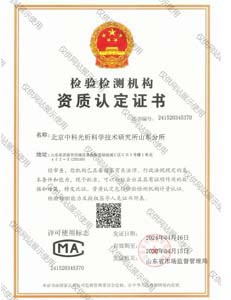
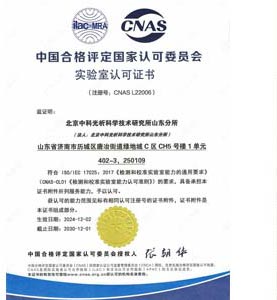
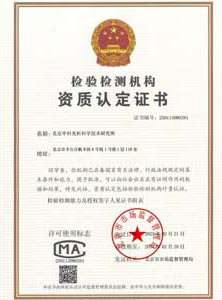

Commitment: Our testing process strictly follows international standards and specifications to ensure the accuracy and reliability of results. Our laboratory facilities are fully equipped with the latest instruments and leading analytical methods. We strictly control every step, from sample collection and processing to data analysis, to ensure clients receive trustworthy test results.


Housing Pressure Testing Service – Comprehensive Structural Integrity and Leakage Assessment for Enclosures, Housings and Casings
As an ISO/IEC 17025 accredited independent testing laboratory, we offer comprehensive housing pressure testing services to manufacturers, engineering contractors, and regulatory bodies across the electronics, automotive, aerospace, medical device, industrial equipment, and consumer goods sectors. Housings, enclosures, and casings – including electrical cabinets, battery housings, instrument enclosures, sealed sensor assemblies, and explosion‑proof boxes – are critical components that protect internal electronics, mechanical systems, and sensitive components from environmental ingress, mechanical damage, and pressure differentials. Pressure testing verifies the structural integrity, leak‑tightness, and burst resistance of these housings under both positive and negative (vacuum) pressure conditions. Our test protocols are executed in accordance with IEC 60529 (Degrees of protection provided by enclosures – IP Code), IEC 60068‑2‑69 (Environmental testing – Part 2‑69: Tests – Test Te/S: Solderability testing), ISO 9809, UL 508A (Industrial Control Panels), GB/T 4208 (Degrees of protection provided by enclosure – IP Code), and GB/T 2423 (Environmental testing for electric and electronic products). Our inspection and test reports are recognised by the National Medical Products Administration (NMPA), the State Administration for Market Regulation (SAMR), the Ministry of Ecology and Environment (MEE), and international certification bodies for product registration, plant safety compliance, and quality assurance.
Housing and Enclosure Types We Test
Our pressure test facilities accommodate a wide range of housing designs, materials, and sealing configurations. Typical test articles include:
- Electrical and electronic enclosures – control cabinets, junction boxes, distribution boards, and terminal housings
- Battery housings and battery packs – for electric vehicles, portable electronics, and energy storage systems
- Sensor and instrument housings – for pressure transmitters, flow meters, temperature sensors, and analysers
- Explosion‑proof and flame‑proof enclosures – for hazardous area equipment (ATEX, IECEx, Class I/II)
- Sealed electronic modules and assemblies – for automotive, aerospace, and marine applications
- Hermetically sealed housings – for implantable medical devices, pacemakers, and implantable sensors
- Optical and photonic housings – for cameras, lenses, LED arrays, and laser assemblies
- Consumer electronic housings – for smartphones, wearables, and portable devices
- Custom fabricated housings and moulded enclosures – for specialised industrial and commercial applications
Positive Pressure Testing – Overpressure Resistance and Leakage Assessment
- Positive pressure test – pressurisation with air or inert gas (IEC 60068‑2‑69 / GB/T 2423.27) – We apply a controlled positive pressure (typically 5‑200 kPa above atmospheric, depending on the application and specification) to the internal volume of the housing using a calibrated pressure source and a precision pressure regulator. The pressure is maintained for a specified hold period (typically 5‑30 minutes) while we monitor for visible leakage, pressure decay, and structural deformation. For IP‑rated enclosures, the test pressure is set to the specified level for the intended IP code (e.g., IP67 requires a test pressure of 10‑20 kPa).
- Pressure‑decay leak detection – quantitative leakage measurement – During the hold period, we record the internal pressure using a high‑precision pressure transducer (accuracy ±0.1 % full scale) and calculate the pressure decay rate (ΔP/Δt, in Pa/min or kPa/hour). The allowable pressure decay is determined by the product specification or the applicable standard; a pressure drop exceeding the specified limit (typically > 0.5 % of the test pressure per minute) indicates a significant leak.
- Soap‑solution leak localisation – for pinpointing leak paths – For housings that exhibit excessive pressure decay, we apply a soap‑solution (e.g., Snoop™ or proprietary leak‑detection fluid) to all potential leak paths (gaskets, seals, cable glands, vents, and welded joints). The formation of stable bubbles indicates a leak, and the location and size of the leak are recorded for remedial action.
- High‑pressure burst test – determining maximum sustainable pressure (ISO 9809 / UL 508A) – For housings that require certification for high‑pressure applications (e.g., pneumatic or hydraulic control housings), we progressively increase the internal pressure until the housing ruptures or fails. The burst pressure is recorded, and the burst ratio (burst pressure / rated working pressure) is calculated. A burst ratio of ≥ 4 is typically required for safety‑critical applications.
- Combined pressure‑temperature testing – simulating harsh environments – For housings intended for extreme temperature applications, we perform pressure testing at elevated (e.g., 85 °C) and low (e.g., ‑40 °C) temperatures. The housing is conditioned to the test temperature and then pressurised to verify that the seal integrity and structural strength are maintained over the full operating temperature range.
Negative Pressure (Vacuum) Testing – Sealing Integrity Under Vacuum Conditions
- Vacuum decay test – for hermetically sealed housings (IEC 60068‑2‑69 / GB/T 2423.22) – We evacuate the housing interior to a specified vacuum level (typically 10‑50 kPa absolute) using a vacuum pump and a calibrated vacuum gauge. The vacuum level is monitored over a defined hold period (e.g., 10‑30 minutes), and any increase in pressure (vacuum decay) is recorded. A pressure rise of more than the specified limit indicates leakage into the housing.
- Helium leak detection under vacuum – for ultra‑high sensitivity (ASTM E493 / GB/T 15823) – For hermetically sealed housings (e.g., implantable medical devices, hermetically sealed sensors), we perform helium leak testing by placing the housing in a vacuum chamber and surrounding it with a helium atmosphere. The helium that leaks into the housing is detected by a mass spectrometer, and the leak rate is quantified in std cm³/s (or mbar·L/s). The detection limit is typically 10⁻⁸‑10⁻¹⁰ std cm³/s.
- Vacuum‑pressure cycling – for fatigue resistance assessment – For housings that experience pressure cycling during service (e.g., aerospace, automotive, and subsea applications), we apply repeated vacuum‑pressure cycles (e.g., 100‑1 000 cycles) and assess the housing for any degradation in seal performance, cracking, or loosening of fasteners. The cycle frequency and pressure differentials are specified to match the intended service conditions.
Water Ingress Protection (IP) Testing – IEC 60529 / GB/T 4208
- IPX7 and IPX8 immersion testing – temporary and continuous immersion – We perform water immersion testing to verify that the housing prevents ingress of water under specified immersion conditions. For IPX7, the housing is immersed in water at a depth of 1 m for 30 minutes. For IPX8, the housing is immersed at a specified depth and time (e.g., 2 m for 24 hours) as specified by the client. After immersion, the housing is examined for water ingress, and the IP rating is assigned based on the results.
- IPX6 and IPX6K testing – powerful water jet testing – For housings that require protection against powerful water jets (e.g., outdoor equipment, marine electronics), we subject the housing to water jets from a nozzle (12.5 mm diameter for IPX6, 6.3 mm for IPX6K) at specified pressures (100 kPa and 1 000 kPa, respectively) for 3‑5 minutes. Any water ingress is recorded and used to determine the IP rating.
- IPX5 – water spray testing – We perform water spray testing (12.5 mm nozzle, 30 kPa pressure) to verify protection against water spray from all directions. The housing is tested for 3 minutes, and any water ingress is recorded.
- IPX3 and IPX4 – water splash testing – For indoor enclosures, we test for protection against water splashes using an oscillating tube (IPX3/IPX4) or a spray nozzle. The housing is exposed to water splashes for 5‑10 minutes, and the ingress of water is assessed.
Mechanical Strength and Seal Integrity – Impact and Stress Testing
- Drop and impact testing – for portable and hand‑held housings (IEC 60068‑2‑31 / GB/T 2423.7) – We drop the housing (with its internal components, if provided) from specified heights (e.g., 0.5‑1.5 m) onto a concrete or steel surface, and assess for any structural damage (cracks, separation, deformation) and loss of sealing integrity. After drop testing, the housing is re‑tested for pressure‑holding capability to ensure that the sealing has not been compromised.
- Mechanical shock testing – for ruggedised housings (IEC 60068‑2‑27) – We apply a mechanical shock pulse (e.g., 50 g, 11 ms half‑sine pulse) to the housing in three orthogonal axes, and then perform a pressure or vacuum test to verify that the housing remains leak‑tight.
- Bump and vibration testing – for transportation and operational conditions (IEC 60068‑2‑29 / GB/T 2423.5) – We subject the housing to defined vibration profiles (frequency range, amplitude, duration) and bump tests to simulate the stresses encountered during shipping and operation. The housing is then tested for pressure integrity to confirm that no seals have been compromised.
- Torque test on cable glands and fittings – for leak‑tight seal verification – We measure the torque required to tighten cable glands, connectors, and fittings to ensure they meet the manufacturer’s specified torque range. An insufficiently tightened fitting can lead to leakage; an over‑tightened fitting can cause thread deformation or breakage.
- Gasket compression and recovery testing – for seal performance (ISO 815 / ASTM D395) – For gasketed housings, we measure the compression set of the gasket material (by applying a specific pressure and measuring the permanent deformation after release) to assess the long‑term sealing capability. A low compression set (< 20 %) indicates good sealing performance over the product’s lifetime.
Hermeticity Testing – For Implantable Medical Devices and Critical Electronics
- Gross leak testing – bubble emission method (MIL‑STD‑883, Method 1014) – For hermetically sealed housings (e.g., implantable medical devices), we first perform a gross leak test by immersing the sealed housing in a heated liquid (typically perfluorocarbon) and observing for bubble formation. The presence of bubbles indicates a gross leak (≥ 10⁻⁵ std cm³/s).
- Fine leak testing – helium mass spectrometry (MIL‑STD‑883, Method 1014 / ASTM E493) – Following the gross leak test, we perform a fine leak test using helium mass spectrometry. The housing is pressurised with helium, placed in a vacuum chamber, and any helium escaping is detected by the mass spectrometer. The leak rate is quantified (in std cm³/s) and compared to the specified acceptance limit (typically < 1 × 10⁻⁸ std cm³/s for hermetically sealed medical devices).
- Fluorocarbon leak test – tracer gas method (ASTM F2391) – For implantable devices and other hermetically sealed housings, we use the fluorocarbon leak test, which involves pressurising the housing with a fluorocarbon tracer gas and detecting the tracer in a vacuum chamber using a mass spectrometer. The method offers high sensitivity and is compatible with moisture‑sensitive devices.
- Residual gas analysis (RGA) – for the detection of internal moisture and contaminants – For hermetically sealed housings, we perform RGA by breaking the seal in a vacuum chamber and analysing the internal atmosphere using a mass spectrometer. This identifies the presence of moisture, oxygen, and other contaminants that could affect the long‑term reliability of the internal components.
Ingress Protection (IP) and NEMA Rating Assessment
- IP rating verification – IEC 60529 / GB/T 4208 – We verify the IP rating of the housing according to the IEC 60529 standard. The assessment includes the testing of solid particle ingress (IP1X to IP6X) using standardised probes (1 mm, 2.5 mm, 12.5 mm) and dust chambers (for IP5X and IP6X), and water ingress testing (IPX1 to IPX8) as described above. The final IP rating (e.g., IP67, IP68, IP54) is assigned based on the test results.
- NEMA rating verification – for North American market compliance – We test housings to verify compliance with the relevant NEMA (National Electrical Manufacturers Association) enclosure types (e.g., NEMA 1, 4, 4X, 6, 6P, 7, 9, 12, 13). The testing includes assessment of corrosion resistance, impact resistance, and sealing effectiveness.
- Dust ingress testing – for IP5X and IP6X (IEC 60529 / GB/T 4208) – We use a dust chamber (with talc powder or other specified dust) to test the housing’s resistance to dust ingress. The housing is exposed to a circulating dust cloud for 8 hours, and the amount of dust ingress is assessed. A dust‑tight housing (IP6X) must have no dust ingress, while a dust‑protected housing (IP5X) allows limited ingress that does not interfere with normal operation.
Leakage Quantification and Localisation – Sensitive Detection Methods
- Helium mass spectrometry leak detection – for ultra‑sensitive leak localisation (ASTM E493 / GB/T 15823) – For high‑integrity systems, we perform helium leak testing by pressurising the housing with helium and scanning the external surface with a calibrated helium mass spectrometer. The leak rate is quantified in std cm³/s (or mbar·L/s), and leak localisation is achieved with a spatial resolution of ≤ 5 mm. The detection limit is typically 10⁻⁸‑10⁻¹⁰ std cm³/s, depending on the test configuration.
- Tracer gas leak testing – using nitrogen‑hydrogen mixture or argon – ISO 20486 – For field applications and large housings, we use a nitrogen‑hydrogen mixture (5 % H₂ in N₂) as the tracer gas and a hydrogen‑sensitive detector (e.g., a hydrogen sniffer) to locate leaks. The method is cost‑effective and offers a detection limit of 10⁻⁵ std cm³/s.
- Acoustic emission monitoring – for real‑time leak detection during pressurisation (ASTM E1419 / GB/T 18182) – We install acoustic emission sensors on the housing to monitor for high‑frequency acoustic signals generated by leaks or by the growth of cracks during pressurisation. The acoustic data is analysed in real time to detect and locate leak sources, providing an additional layer of assurance beyond conventional visual inspection.
- Pressure‑vacuum testing – for double‑wall enclosures and containment systems – For double‑wall housings and containment systems, we pressurise the inner chamber and evacuate the annular space, monitoring the pressure change in the annular space to detect any communication between the inner and outer walls. The method can detect leaks as small as 10⁻⁴ std cm³/s.
Code Compliance and Documentation – Supporting Regulatory Submissions
All housing pressure tests are conducted in accordance with the applicable design and inspection codes. Our comprehensive test reports include:
- Test article identification and design data – housing description, material specification, rated pressure, IP/NEMA rating, test pressure, and applicable standard
- Test method and procedure – positive pressure, vacuum, immersion, or combined; pressurisation rate; hold time; test fluid and temperature; safety measures
- Test equipment and instrumentation – pressure transducers, pumps, gauges, leak detectors – all with current calibration certificates traceable to national standards
- Pressure‑time records – graphical representation of the pressure profile during the test, including pressurisation, hold, and depressurisation phases
- Leak test results – location and description of any leaks found; for helium and tracer gas tests, the measured leak rates; for pressure‑decay tests, the pressure drop and calculated leakage
- Dimensional records and visual observations – pre‑test and post‑test dimensions, inspection notes, and photographic evidence
- Final verdict – pass/fail verdict against the code requirements and the client’s acceptance criteria; any recommended repairs or re‑testing
Report Acceptance and Regulatory Recognition
All housing pressure testing is performed under our ISO/IEC 17025 accreditation and in accordance with IEC, UL, ASME, ASTM, and GB standard requirements. Our final test reports are accepted by NMPA, SAMR, MEE, as well as international certification bodies and regulatory authorities for product registration, plant safety certification, and quality assurance. Bilingual (Chinese/English) versions are available to facilitate submissions to domestic and international regulatory authorities.
Note: Due to business adjustments, we do not accept individual client testing requests.
The above is an introduction about Housing pressure testing service. For further questions, please consult our online engineer.
Laboratory Instruments


Partner Clients

Related Projects
 Hydrogen sulfide corrosion testing service
 Pressure relief valve hydraulic burst testing service
 Freezing experiment
 Ultimate impact torque testing service
 Corrosion resistance testing service
 20℃ impact energy testing service
 Pressure leak testing service
 AC dielectric testing service
 Vibration testing service
- Housing pressure testing service