
Cell Laboratory


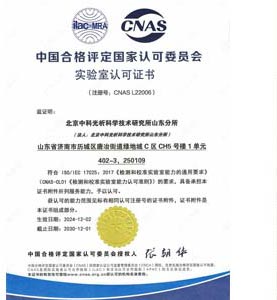
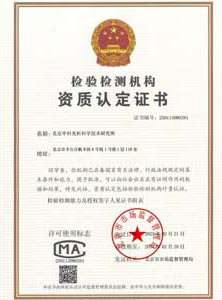

Commitment: Our testing process strictly follows international standards and specifications to ensure the accuracy and reliability of results. Our laboratory facilities are fully equipped with the latest instruments and leading analytical methods. We strictly control every step, from sample collection and processing to data analysis, to ensure clients receive trustworthy test results.


Comprehensive Cell Laboratory Testing Service – ISO/IEC 17025 Accredited Cell Culture, Characterisation and Functional Analysis for Research, Drug Development and Cell Therapy
As an ISO/IEC 17025 accredited contract testing laboratory, we offer comprehensive cell laboratory testing services to pharmaceutical, biotechnology, academic, clinical, and cell therapy organisations. Our state‑of‑the‑art cell culture facility is equipped with Class II biological safety cabinets, CO₂ incubators, automated cell counters, flow cytometers, high‑content imaging systems, and molecular biology platforms, providing a full spectrum of cell‑based assays for research, product development, quality control, and regulatory submissions. Our expert team delivers accurate, reproducible, and regulatory‑compliant results that support drug discovery, bioprocess development, cell therapy manufacturing, and mechanism‑of‑action studies. All methods are aligned with USP (United States Pharmacopeia), EP (European Pharmacopoeia), ICH guidelines, FDA (U.S. Food and Drug Administration) and NMPA (National Medical Products Administration) requirements. Our reports are recognised globally for product registration, batch release, and quality assurance.
Cell Types and Biological Matrices We Handle
Our cell laboratory accommodates a wide variety of mammalian cell lines, primary cells, stem cells, and patient‑derived samples. Typical test articles include:
- Adherent and suspension cell lines – CHO (Chinese hamster ovary), HEK293, HeLa, Vero, MDCK, Jurkat, and other research and production cell lines
- Primary cells and patient‑derived samples – peripheral blood mononuclear cells (PBMCs), fibroblasts, epithelial cells, mesenchymal stem cells (MSCs), haematopoietic stem cells (HSCs), and tumour‑infiltrating lymphocytes (TILs)
- Stem cells and induced pluripotent stem cells (iPSCs) – for differentiation and characterisation studies
- Cell therapy products – CAR‑T cells, engineered T‑cell receptor (TCR) cells, natural killer (NK) cells, and other genetically modified cell products
- 3D cell culture systems and organoids – spheroids, organoids, and tissue‑engineered constructs
- Cell culture supernatants and conditioned media – for cytokine analysis, metabolite profiling, and viral vector production
- Cryopreserved cells and cell banks – for master cell bank (MCB) and working cell bank (WCB) characterisation and release testing
Cell Culture and Bioprocessing – Scale‑up, Optimisation and Monitoring
- Cell culture expansion and scale‑up – for research and manufacturing – We provide cell culture services for small‑scale research (flasks, plates) and for larger‑scale expansion (roller bottles, cell factories, and bioreactors up to 50 L). We monitor cell growth, viability, and metabolic parameters (glucose, lactate, glutamine, ammonia) to optimise culture conditions.
- Transfection and transduction – for gene editing and protein expression – We perform transfection (chemical, electroporation, and lipid‑based) and transduction (lentiviral, retroviral, AAV) of cell lines and primary cells for the expression of recombinant proteins, gene editing (CRISPR/Cas9), and for the generation of stable cell lines.
- Cell banking – MCB and WCB production – ICH Q5D / USP <1043> – We assist in the production and characterisation of master cell banks (MCB) and working cell banks (WCB) for biopharmaceutical manufacturing, ensuring compliance with regulatory requirements for genetic stability, sterility, and identity.
- Process development and optimisation – for bioprocesses – We design and optimise cell culture processes (fed‑batch, perfusion, continuous) to maximise product yield and quality, using design of experiments (DoE) and multivariate data analysis.
Cell Viability and Proliferation Assays – Assessing Cell Health and Growth
- Cell counting and viability – automated cell counters and trypan blue exclusion – USP <1046> – We determine total cell number, viable cell count, and percentage viability using automated cell counters (e.g., Countess, Vi‑CELL) and manual haemocytometer counting, with standardised protocols.
- Cell proliferation assays – MTT, XTT, WST‑1, and BrdU incorporation – ISO 10993‑5 / GB/T 16886.5 – We measure cell proliferation and metabolic activity using colorimetric and fluorometric assays. The absorbance or fluorescence is proportional to the number of metabolically active cells, and the results are expressed as a percentage of the control (relative viability).
- Colony‑forming unit (CFU) assay – for assessing clonogenicity and stem cell potential – We culture cells at low density and count the number of colonies formed after 7‑14 days. The colony‑forming efficiency (CFE) is calculated as a percentage of the total seeded cells.
- Cell cycle analysis – flow cytometry – propidium iodide (PI) staining – USP <1046> – We stain cells with PI and analyse the DNA content to determine the distribution of cells in G0/G1, S, and G2/M phases of the cell cycle.
- Apoptosis and necrosis detection – flow cytometry – Annexin V / PI staining – ISO 10993‑5 – We use Annexin V (for early apoptosis) and propidium iodide (for late apoptosis/necrosis) to quantify the percentage of apoptotic and necrotic cells. The results are expressed as the percentage of cells in each population.
Cell Characterisation – Identity, Purity and Stability
- Immunophenotyping – flow cytometry – USP <1046> / ICH Q5D – We characterise cell populations using a panel of fluorescently labelled antibodies (e.g., CD3, CD4, CD8, CD19, CD34, CD45, CD56, CD133). The expression of surface markers is reported as the percentage of positive cells or as the mean fluorescence intensity (MFI).
- Cell identity – STR profiling (short tandem repeat) – ASN‑0002 / ISO 18385 – We perform STR profiling to confirm the identity of human cell lines and to detect cross‑contamination with other cell lines. The STR profile is compared to reference databases to verify the cell line.
- Genetic stability – karyotyping and copy number variation (CNV) analysis – ICH Q5D – We perform G‑banded karyotyping (for chromosomal aberrations) and array‑based comparative genomic hybridisation (aCGH) or SNP arrays to assess the genetic stability of cell banks over multiple passages.
- Mycoplasma and virus detection – USP <63> / EP 2.6.7 / 9CFR – We test for mycoplasma contamination (by culture, PCR, and indicator cell culture) and for adventitious viruses (by in‑vitro cell culture assays and PCR) in cell banks and cell‑derived products, ensuring safety and regulatory compliance.
- Endotoxin and sterility testing – USP <85> / USP <71> – For cell therapy products and biologics, we perform bacterial endotoxin testing (LAL or rFC) and sterility testing to ensure the absence of contaminating endotoxins and microorganisms.
Functional Cell‑Based Assays – Potency, Bioactivity and Mechanism of Action
- Cell‑based potency assays – for biologics and cell therapy products – USP <1032> / ICH Q5E – We measure the biological activity of drug candidates, vaccines, and cell therapy products using cell‑based potency assays (e.g., proliferation assays, cytotoxicity assays, cytokine release assays). The EC₅₀ or IC₅₀ is determined from a dose‑response curve, and the relative potency (compared to a reference standard) is reported.
- Cytotoxicity assays – ISO 10993‑5 / USP <87> / GB/T 16886.5 – We evaluate the cytotoxic effect of medical devices, pharmaceuticals, and chemicals on mammalian cells using the MTT, XTT, or colony‑forming assays. The results are expressed as relative viability (%) and a toxicity rating (0‑4).
- Cell migration and invasion assays – wound healing (scratch assay) and Boyden chamber (transwell) assay – We measure the migration and invasion capacity of cells in response to test compounds, growth factors, or chemotactic agents. The percentage of wound closure or the number of invaded cells is quantified by microscopy and image analysis.
- Phagocytosis and endocytosis assays – flow cytometry and microscopy – We measure the uptake of fluorescently labelled particles (e.g., bacteria, beads, or liposomes) by macrophages or other phagocytic cells. The percentage of phagocytic cells and the mean fluorescence intensity (MFI) are reported.
- Oxidative stress and ROS assays – DCFH‑DA and Amplex Red – for evaluating antioxidant activity – We measure the production of reactive oxygen species (ROS) in cells treated with oxidants (H₂O₂, AAPH) and test compounds. The reduction in ROS production is expressed as the percentage inhibition.
3D Cell Culture and Tissue Engineering – Spheroids, Organoids and Scaffolds
- Spheroid formation and analysis – hanging‑drop, ultra‑low attachment, and microfluidic systems – We generate 3D spheroids from cell lines and primary cells and assess their size, morphology, viability (Live/Dead staining), and structure (histology). The spheroids are used for drug screening, co‑culture studies, and hypoxia studies.
- Organoid culture – for patient‑specific disease models – We establish and maintain organoid cultures from patient‑derived tumour samples, normal tissue, and iPSCs for disease modelling, drug sensitivity testing, and personalised medicine studies.
- Scaffold‑based tissue engineering – seeding and characterisation – We seed cells on natural (collagen, fibrin, hyaluronic acid) and synthetic (PLLA, PLGA, PCL) scaffolds and assess cell adhesion, proliferation, and differentiation by histology, confocal microscopy, and gene expression analysis.
- Bioprinting – 3D cell constructs for drug screening and regenerative medicine – We offer bioprinting services using extrusion‑based and inkjet‑based bioprinters to fabricate 3D cell constructs for high‑throughput screening, drug testing, and tissue engineering.
Cell‑Based Assays for Drug Discovery and Toxicology
- High‑content screening (HCS) – for multi‑parametric cellular analysis – Using automated high‑content imaging systems (e.g., Operetta, CellInsight), we quantify multiple cellular parameters (cell number, morphology, nuclear size, cytoskeletal organisation, and marker expression) in a single assay, providing a comprehensive profile of compound effects.
- Genotoxicity testing – Ames test (bacterial reverse mutation), in‑vitro micronucleus assay, and comet assay – OECD 471, 487, 489 / GB/T 21786 – We assess the genotoxic potential of chemicals, drugs, and environmental samples using validated in‑vitro assays. The results are reported as positive or negative for mutagenicity or clastogenicity.
- Phototoxicity testing – 3T3 neutral red uptake assay – OECD 432 / ISO 10993‑11 – We evaluate the phototoxic potential of chemicals and drug candidates by measuring the cytotoxicity in the presence and absence of UVA light. The photo‑irritation factor (PIF) and the mean photo effect (MPE) are calculated.
- Drug‑drug interaction (DDI) assays – CYP450 inhibition and induction – We measure the effect of test compounds on cytochrome P450 enzyme activity using hepatocytes or microsomes and LC‑MS/MS‑based metabolite quantification, to predict potential drug interactions.
Quality Control, GLP/GMP Compliance and Regulatory Support
To ensure the reliability and regulatory acceptability of our cell‑based test results, we implement rigorous quality control measures:
- Cell line authentication and contamination screening – we regularly authenticate all cell lines used in our facility (by STR profiling) and test for mycoplasma and virus contamination.
- Reference cultures and positive/negative controls – we maintain a library of certified reference cell lines (e.g., ATCC) and use them as controls in all assays. For each assay, we include known positive and negative controls to verify the performance of the test system.
- Reagent and media quality control – all culture media, sera, and reagents are qualified before use, and growth promotion testing is performed for each new batch.
- Instrument calibration and performance verification – all instruments (CO₂ incubators, plate readers, flow cytometers, microscopes) are calibrated and performance‑verified at regular intervals, and the calibration records are traceable to national or international standards.
- Proficiency testing and external quality assessment (EQA) – we participate in proficiency testing schemes (e.g., UK NEQAS, College of American Pathologists – CAP) to verify the accuracy of our cell‑based assays and to benchmark our performance against other accredited laboratories.
- Audit readiness and regulatory support – our quality management system is designed to meet the requirements of GLP, GMP, and ISO/IEC 17025, and we are prepared for regulatory inspections by the NMPA, FDA, EMA, and WHO.
Report Acceptance and Regulatory Recognition
All cell laboratory tests are performed under our ISO/IEC 17025 accreditation and, where applicable, in compliance with Good Laboratory Practice (GLP) and Good Manufacturing Practice (GMP) principles. Our final reports include a complete description of the sample, the cell culture conditions, the assay method, the raw data, the calculated parameters (viability percentage, EC₅₀, relative potency, etc.), statistical summaries (mean, standard deviation, 95 % confidence intervals, p‑values from t‑tests or ANOVA), and a clear conclusion on the test outcome. These reports are accepted by the National Medical Products Administration (NMPA), the U.S. Food and Drug Administration (FDA), the European Medicines Agency (EMA), and the World Health Organization (WHO) for product registration, batch release, and quality assurance. Bilingual (Chinese/English) versions are available to facilitate submissions to national and international regulatory bodies.
Note: Due to business adjustments, we do not accept individual client testing requests.
The above is an introduction about Cell Laboratory. For further questions, please consult our online engineer.
Laboratory Instruments


Partner Clients

Related Projects
 Hydrogen sulfide corrosion testing service
 Pressure relief valve hydraulic burst testing service
 Freezing experiment
 Ultimate impact torque testing service
 Corrosion resistance testing service
 20℃ impact energy testing service
 Pressure leak testing service
 AC dielectric testing service
 Vibration testing service
 Housing pressure testing service