
Animal and plant scientific research and health monitoring services

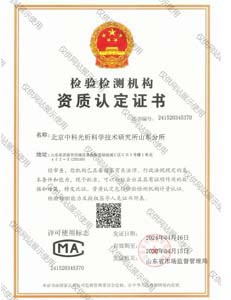
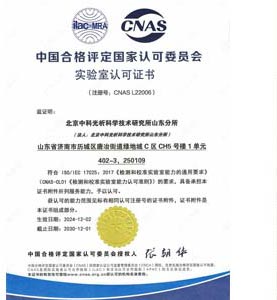
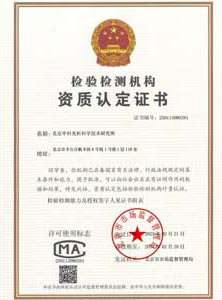

Commitment: Our testing process strictly follows international standards and specifications to ensure the accuracy and reliability of results. Our laboratory facilities are fully equipped with the latest instruments and leading analytical methods. We strictly control every step, from sample collection and processing to data analysis, to ensure clients receive trustworthy test results.


Animal and Plant Scientific Research and Health Monitoring Service – Comprehensive Support for Biosecurity, Disease Surveillance, and Sustainable Agriculture
As an ISO/IEC 17025 accredited contract research and diagnostic laboratory, we offer integrated animal and plant scientific research and health monitoring services to veterinary clinics, agricultural producers, biopharmaceutical companies, environmental agencies, and research institutions. The health of animal and plant populations is intrinsically linked to food safety, ecosystem stability, and public health. Our multidisciplinary platform combines molecular diagnostics, serological surveillance, pathological examination, and environmental monitoring to deliver accurate, actionable data for disease control, breeding programmes, biosecurity risk assessment, and regulatory compliance. All methods are aligned with OIE (World Organisation for Animal Health) standards, IPPC (International Plant Protection Convention) guidelines, ISO and EN standards, and GB national requirements. Our reports are recognised by the National Medical Products Administration (NMPA), the Ministry of Agriculture and Rural Affairs (MARA), the Ministry of Ecology and Environment (MEE), and international bodies such as the World Health Organization (WHO) and the Food and Agriculture Organization (FAO).
Animal Health Monitoring – Disease Surveillance, Diagnostic Testing and Biosecurity
We provide comprehensive health monitoring for livestock, poultry, aquatic species, companion animals, and laboratory animals.
- Infectious disease diagnostics – PCR, ELISA, and serology – OIE Terrestrial Manual / WOAH guidelines – We perform molecular and serological testing for a wide range of notifiable and emerging diseases, including African swine fever (ASF), avian influenza (AI), foot‑and‑mouth disease (FMD), classical swine fever (CSF), Newcastle disease, and bovine tuberculosis. Multiplex real‑time PCR panels are available for rapid differential diagnosis of respiratory and reproductive pathogens.
- Parasitological examination – faecal analysis, blood smears and molecular identification – We identify internal and external parasites (nematodes, cestodes, trematodes, ticks, mites) using standardised coprological, morphological and molecular methods (18S rRNA, ITS‑2 barcoding). Resistance testing for anthelmintics is also offered.
- Reproductive health and fertility assessment – We measure reproductive hormones (progesterone, oestradiol, testosterone, LH, FSH) and perform semen analysis (sperm concentration, motility, morphology) to support breeding programmes and fertility management in livestock and companion animals.
- Nutritional and metabolic profiling – clinical biochemistry and mineral analysis – We analyse blood and serum samples for metabolic markers (glucose, ketone bodies, urea, creatinine, liver enzymes) and mineral profiles (Ca, P, Mg, Cu, Zn, Se), supporting the diagnosis of metabolic disorders such as ketosis, milk fever, and mineral deficiencies.
- Post‑mortem and histopathological examination – For disease diagnosis and production loss investigation, we perform full necropsies, tissue sampling, and histopathological analysis (H&E, special stains, and immunohistochemistry) to identify the cause of death or disease.
- Biosecurity risk assessment and environmental monitoring – We provide on‑site biosecurity audits, environmental swab testing (for Salmonella, E. coli, Staphylococcus, and environmental moulds), and air quality monitoring (particulate counts, endotoxin, and ammonia) to help farms and facilities maintain high biosecurity standards.
Plant Health Monitoring – Pathogen Detection, Nutritional Status and Sustainability
Our plant health services support sustainable agriculture, forestry, and horticulture through early detection of pests and diseases, and through nutritional and environmental monitoring.
- Plant pathogen detection – molecular diagnostics for bacteria, fungi, viruses and phytoplasmas – We use validated PCR, real‑time PCR, and LAMP assays for the detection of major crop pathogens, including Xanthomonas, Pseudomonas, Fusarium, Phytophthora, Botrytis, and plant viruses (e.g., Tomato spotted wilt virus, Potato virus Y, Citrus tristeza virus). Multiplex panels are available for simultaneous screening of multiple pathogens.
- Insect pest identification and monitoring – morphological and DNA barcoding – We identify adult insects, larvae, and eggs to species level using morphological keys and DNA barcoding (COI, ITS). This supports pest management programmes, early warning systems, and quarantine decisions.
- Nutritional and soil health assessment – We analyse leaf and soil samples for macro‑ and micro‑nutrients (N, P, K, Ca, Mg, S, Fe, Mn, Zn, Cu, B), pH, electrical conductivity, and organic matter content. Recommendations for fertilisation and soil amendment are provided based on crop‑specific requirements.
- Seed and plant material health certification – We test seed lots, plantlets, and propagation material for quarantine pests and pathogens, supporting the production and export of certified healthy plant material.
- Environmental stress and climate adaptation monitoring – We assess plant resilience to abiotic stresses (drought, salinity, temperature extremes) through physiological measurements (chlorophyll content, stomatal conductance, relative water content) and molecular markers (expression of stress‑responsive genes).
Scientific Research Support – Omics, Genetics and Phenotyping
We provide advanced analytical services to support academic and industrial research in animal and plant science, breeding, and conservation.
- Genotyping and molecular marker analysis – SNP, SSR, and genotyping‑by‑sequencing (GBS) – We perform high‑throughput genotyping for population genetics, marker‑assisted selection (MAS), and parentage verification in livestock, crops, and wildlife. Microsatellite (SSR) analysis and SNP arrays are available for custom panels.
- Gene expression analysis – RT‑qPCR, RNA‑seq, and digital PCR – We measure the expression of target genes (e.g., immune response genes, metabolic enzymes, stress markers) using validated RT‑qPCR assays. For discovery‑focused studies, we offer RNA‑seq transcriptome analysis on Illumina and Nanopore platforms.
- Microbiome analysis – 16S rRNA sequencing and metagenomics – We characterise the bacterial, fungal, and archaeal communities of the gut, rumen, rhizosphere, and soil using high‑throughput amplicon sequencing (16S, ITS) and whole‑genome shotgun metagenomics. The data is analysed to identify beneficial and pathogenic taxa, to assess diversity, and to link microbial composition to host health or productivity.
- Phenotype characterisation – morphological, physiological and behavioural assessments – We perform standardised phenotypic measurements, including growth rates, feed conversion efficiency, milk yield, reproductive performance, and behavioural observations (for welfare and stress assessment).
- Environmental DNA (eDNA) monitoring – for biodiversity surveys and invasive species detection – We detect the presence of rare or invasive species (aquatic, terrestrial, and airborne) by analysing eDNA extracted from water, soil, or air samples. This supports conservation programmes and biosecurity surveillance.
Health Certificates and Regulatory Compliance – Supporting Trade and Transport
- Animal health certificates – OIE‑compliant certificates for export and domestic movement – We provide health certificates based on serological, molecular, and clinical examinations that meet the requirements for the movement of livestock, poultry, and companion animals within the country and for international export.
- Plant health certificates – IPPC / EPPO‑compliant certification – We issue phytosanitary certificates for plants, plant products, and plant‑based commodities, verifying freedom from quarantine pests and diseases.
- Good Agricultural Practice (GAP) audit support – for certified production – We provide third‑party testing and auditing services to support GAP certification for fruit, vegetable, and livestock production, including food safety testing and environmental compliance.
- Regulatory compliance – for feed, fertiliser, and veterinary drug residues – We test for the presence of veterinary drug residues (antibiotics, hormones, antiparasitics), mycotoxins (aflatoxins, ochratoxin A, fumonisins), and heavy metals in animal feed, plant products, and food, to ensure compliance with national and international maximum residue limits (MRLs).
Data Management and Reporting – Integrated Information for Decision‑Making
We provide customised reporting and data integration to support health monitoring programmes, research projects, and regulatory submissions.
- Longitudinal and population‑level analysis – For large‑scale monitoring programmes, we aggregate and analyse data over time to identify trends, detect disease outbreaks, and assess the impact of interventions.
- Customised dashboards and data visualisation – We provide interactive dashboards (using Power BI, Tableau, or custom web platforms) for real‑time monitoring of health parameters and for sharing results with stakeholders.
- Integrated health and production records – for farm management – We integrate laboratory data with farm records (breeding, feeding, treatment, mortality) to provide a holistic view of herd or flock health and to support decision‑making.
- Confidentiality and data security – All data is handled in compliance with data protection regulations (GDPR, PIPL), and we ensure that client data is stored securely and used only for the intended purpose.
Quality Control, Standardisation and Proficiency Testing
To ensure the reliability and comparability of our test results, we implement strict quality controls and participate in external quality assessment (EQA) programmes.
- Standardised protocols and reference materials – We use validated and standardised protocols (OIE, IPPC, ISO, CLSI) and certified reference materials (e.g., from WHO, NIST, and national reference laboratories) for all diagnostic and analytical tests.
- External quality assessment (EQA) – participation in proficiency testing schemes – We participate in EQA schemes for animal and plant disease diagnostics (e.g., OIE reference laboratories, EPPO, and national reference laboratories) to verify the accuracy of our results.
- Internal quality control – daily monitoring and control charts – We include positive and negative controls, internal QC samples, and system suitability checks in each analytical run, and we apply statistical process control (e.g., Levey‑Jennings charts) to monitor performance.
- Inter‑laboratory comparison studies – We participate in inter‑laboratory comparison studies (with national and international reference laboratories) to validate new methods and to ensure consistency in testing across laboratories.
Report Acceptance and Regulatory Recognition
All animal and plant scientific research and health monitoring services are performed under our ISO/IEC 17025 accreditation and, where applicable, in compliance with Good Laboratory Practice (GLP) principles, OIE standards, IPPC guidelines, and national regulatory requirements. Our final reports include a complete description of the sample, the test method, the analytical results, the interpretation, and the conclusion, and are accepted by the National Medical Products Administration (NMPA), the Ministry of Agriculture and Rural Affairs (MARA), the Ministry of Ecology and Environment (MEE), and international bodies such as the WHO, the FAO, and the OIE for disease surveillance, research publications, and regulatory compliance. Bilingual (Chinese/English) versions are available to facilitate submissions to national and international authorities.
Note: Due to business adjustments, we do not accept individual client testing requests.
The above is an introduction about Animal and plant scientific research and health monitoring services. For further questions, please consult our online engineer.
Laboratory Instruments


Partner Clients

Related Projects
 Hydrogen sulfide corrosion testing service
 Pressure relief valve hydraulic burst testing service
 Freezing experiment
 Ultimate impact torque testing service
 Corrosion resistance testing service
 20℃ impact energy testing service
 Pressure leak testing service
 AC dielectric testing service
 Vibration testing service
 Housing pressure testing service