
Cytokine detection service


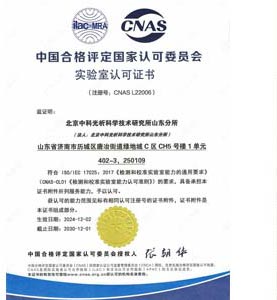
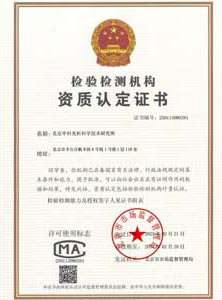

Commitment: Our testing process strictly follows international standards and specifications to ensure the accuracy and reliability of results. Our laboratory facilities are fully equipped with the latest instruments and leading analytical methods. We strictly control every step, from sample collection and processing to data analysis, to ensure clients receive trustworthy test results.


Cytokine Detection Service – High‑Sensitivity Multiplex and Single‑Plex Analysis for Immunology, Inflammation and Immuno‑Oncology Research
As an ISO/IEC 17025 accredited contract testing laboratory, we provide specialised cytokine detection services to pharmaceutical and biotechnology companies, clinical research organisations (CROs), academic research groups, and diagnostic manufacturers. Cytokines – including interleukins (ILs), interferons (IFNs), tumour necrosis factors (TNFs), chemokines, and growth factors – are key mediators of immune responses, inflammation, and tissue remodelling. Their accurate and reproducible quantification is essential for biomarker discovery, mechanism‑of‑action studies, pharmacodynamic (PD) monitoring, and patient stratification in immuno‑oncology, autoimmunity, infectious diseases, and transplantation. Our platform offers both multiplex and single‑plex immunoassays, using validated ELISA, electrochemiluminescence (ECL), Luminex, and Simoa® (single‑molecule array) technologies, covering a broad dynamic range from sub‑pg/mL to high ng/mL levels. All methods are aligned with ICH Q2(R1), CLSI guidelines, FDA Bioanalytical Method Validation Guidance, and EMA Guideline on Bioanalytical Method Validation. Our reports are recognised by the National Medical Products Administration (NMPA), the U.S. Food and Drug Administration (FDA), the European Medicines Agency (EMA), and the World Health Organization (WHO) for clinical trial submissions, pharmacokinetic/pharmacodynamic (PK/PD) modelling, and product registration.
Sample Types and Cytokine Panels We Analyse
Our laboratory handles a wide range of biological specimens and offers both custom and pre‑defined cytokine panels. Typical test articles include:
- Clinical and preclinical samples – serum, plasma (EDTA, heparin, citrate), peripheral blood mononuclear cells (PBMC) culture supernatants, cerebrospinal fluid (CSF), saliva, urine, bronchoalveolar lavage (BAL) fluid, and tissue homogenates
- Cell culture and fermentation supernatants – from in vitro cell assays, bioreactor harvests, and ex vivo stimulation experiments
- Exosome and extracellular vesicle (EV) preparations – for cytokine cargo analysis
- Custom cytokine panels – up to 50 analytes per sample, covering key inflammatory (e.g., IL‑1β, IL‑6, TNF‑α, IL‑8, MCP‑1, IL‑10, IL‑12p70), Th1/Th2/Th17 (e.g., IFN‑γ, IL‑4, IL‑5, IL‑13, IL‑17A, IL‑22, IL‑23), and immuno‑oncology (e.g., PD‑L1, TGF‑β, GM‑CSF, G‑CSF, VEGF, IL‑2) pathways
- Pre‑defined and standard panels – multiplex panels for human, mouse, rat, cynomolgus monkey, and other species
- Reference and QC samples – for method validation, stability monitoring, and proficiency testing
Detection Platforms – High Sensitivity, Broad Dynamic Range and Multiplexing
We use a combination of complementary platforms to match your sensitivity, throughput, and multiplexing requirements:
- Multiplex bead‑based assays (Luminex / xMAP) – for high‑throughput multiplexing (up to 50 analytes) – Using colour‑coded magnetic beads conjugated with capture antibodies, we run up to 50 analytes simultaneously in a single 25‑50 µL sample. The assay is performed in 96‑well filter plates and read on a dual‑laser Luminex instrument (e.g., Bio‑Plex 200 or FLEXMAP 3D). We report the mean fluorescence intensity (MFI) and the analyte concentration (pg/mL or ng/mL) interpolated from a 5‑parameter logistic (5‑PL) standard curve. This platform is ideal for screening, exploratory biomarker studies, and high‑throughput clinical trials.
- Electrochemiluminescence (ECL) – MSD (Meso Scale Discovery) – for high sensitivity and low sample consumption (10‑25 µL) – Using Sulfo‑Tag™ labelled detection antibodies and a proprietary electrochemical readout, we achieve high sensitivity (low pg/mL to sub‑pg/mL) with a wide dynamic range (> 4 logs). The assay is performed in 96‑well or 384‑well MULTI‑SPOT® plates and read on a SECTOR or MESO QuickPlex instrument. This platform is particularly suitable for low‑abundance targets (e.g., IL‑2, IL‑4, IL‑10, IFN‑γ) and for samples with limited volume.
- Single‑molecule array (Simoa®) – for ultra‑sensitive detection (fg/mL range) – For analytes present at extremely low concentrations (e.g., IL‑6, TNF‑α, IFN‑γ in CSF or serum), we use the Simoa digital ELISA platform (e.g., HD‑1 or SR‑X instrument). The assay uses paramagnetic beads with capture antibodies and a digital readout of individual enzyme‑labelled molecules. This achieves sensitivities 1,000‑fold higher than conventional ELISA, enabling the detection of baseline levels in healthy populations.
- Conventional and high‑sensitivity ELISA – for single‑plex gold‑standard quantification – For single‑plex confirmation, or when a specific cytokine requires a different antibody pair, we run validated sandwich ELISA kits (e.g., R&D Systems, Meso Scale, or in‑house developed assays). The assay is performed in 96‑well plates with colorimetric (TMB), fluorometric, or chemiluminescent detection, and the results are read on a standard plate reader (450‑570 nm, or 340/465 nm for fluorescence).
- Automated liquid handling and sample preparation – To reduce variability and increase throughput, we use automated systems (e.g., Hamilton STAR, Tecan Freedom EVO) for sample dilution, reagent addition, and plate washing.
Method Validation – Ensuring Accuracy, Precision and Reproducibility
All cytokine assays are validated according to the latest bioanalytical method validation guidelines (FDA 2018, EMA 2011, ICH M10). The core validation parameters include:
- Calibration curve and range – 5‑PL or 4‑PL model fitting – We establish a standard curve using at least 8 calibration standards (in duplicate). The curve is fitted using a 4‑parameter logistic (4‑PL) or 5‑parameter logistic (5‑PL) model, and the coefficient of determination (R²) and the back‑calculated concentration accuracy (within ± 20 % for all non‑zero standards) are reported.
- Lower limit of quantification (LLOQ) and upper limit of quantification (ULOQ) – The LLOQ is the lowest concentration that can be quantified with acceptable accuracy (± 20 %) and precision (≤ 20 % CV). The ULOQ is the highest concentration with acceptable performance. The working range is typically 2‑3 logs for ELISA and 4‑5 logs for ECL/MSD platforms.
- Precision – intra‑assay and inter‑assay CV (%) – We measure intra‑assay precision (within‑run) by testing 3‑5 QC levels (low, medium, high) in 6 replicates; inter‑assay precision (between runs) is assessed by testing the same QC levels on 3‑5 different days. Acceptable CV is ≤ 15 % (≤ 20 % at LLOQ).
- Accuracy – recovery of spiked QC samples – We perform spike‑and‑recovery experiments by adding known amounts of the analyte to the test matrix. The recovery percentage is calculated as (measured concentration / expected concentration) × 100. Acceptable recovery is 80‑120 %.
- Dilution linearity – parallelism test – For samples with high analyte concentrations, we dilute them in matrix (e.g., 2‑fold, 4‑fold, 8‑fold) and test the diluted samples. The observed concentration should be proportional to the dilution factor; the deviation from linearity should be ≤ 20 %.
- Specificity and cross‑reactivity – We test the reactivity of the antibody pairs with related cytokines and proteins to confirm that the assay measures only the target analyte. Cross‑reactivity with structurally similar analytes is typically < 1 %. We also test interference from common endogenous substances (e.g., haemoglobin, bilirubin, lipids, rheumatoid factor) to ensure that the assay is robust in different sample matrices.
Quality Control and Sample Handling – Ensuring Data Integrity
- Sample stability – freeze‑thaw and storage conditions – We conduct stability studies to define the acceptable number of freeze‑thaw cycles and the maximum storage time for each sample type and analyte. Typically, 3 freeze‑thaw cycles and up to 6 months at ‑80 °C are acceptable for most cytokines.
- Pre‑analytical variability – blood collection and processing – We evaluate the effect of different blood collection tubes (e.g., EDTA, heparin, citrate, serum separator) and processing protocols (time to centrifugation, temperature) on cytokine levels. We provide recommendations for optimal sample handling.
- Batch‑to‑batch reagent consistency – We test each new lot of capture antibodies, detection antibodies, and standards against the previous lot to ensure consistency. A difference of ≤ 15 % in the standard curve parameters is considered acceptable.
- Internal QC samples – for monitoring assay performance – We include 3 levels of QC samples (low, medium, high) in each plate to monitor intra‑assay and inter‑assay variability. The results are tracked using Levey‑Jennings control charts; a trend of > 2 standard deviations is investigated and corrective action is taken.
Application‑Specific Testing – Supporting Clinical Trials, Biomarker Discovery and Regulatory Submissions
- PK/PD and pharmacodynamic biomarker monitoring in clinical trials – We measure cytokines as pharmacodynamic (PD) biomarkers to monitor the biological effect of a drug (e.g., inhibition of IL‑6, induction of IFN‑γ, or reduction of TNF‑α). The results are correlated with drug exposure and clinical endpoints.
- Immunogenicity assessment – cytokine release as a marker of immune activation – For biologics, we measure cytokine release (e.g., IL‑2, IL‑6, IFN‑γ, TNF‑α) in response to the drug, as part of immunogenicity and cytokine release syndrome (CRS) risk assessment.
- Bioanalytical method validation for regulatory submissions (FDA, EMA, NMPA) – We provide full validation reports that comply with the requirements for NDA, BLA, and ANDA submissions, including validation of LLOQ, precision, accuracy, selectivity, and matrix effect.
- Biomarker discovery and exploratory studies – multiplex screening of large panels – We use multiplex bead‑based arrays (Luminex) and MSD ECL to screen up to 50 analytes simultaneously in 100‑200 samples per plate, helping to identify novel biomarker signatures for diagnostics, patient stratification, or disease monitoring.
- Exosome and extracellular vesicle (EV) cytokine cargo analysis – We isolate exosomes from plasma, serum, or cell culture medium (using ultracentrifugation, precipitation, or size‑exclusion chromatography) and quantify cytokine content within the vesicles, providing insights into EV‑mediated intercellular communication.
- Custom assay development – for novel or challenging cytokines – We develop and validate custom assays for new cytokine targets, for species with limited commercial availability, or for ultra‑low‑abundance biomarkers (down to fg/mL, using Simoa or ELISA amplification).
Regulatory Compliance and Documentation – Supporting Global Submissions
- ICH M10 – Bioanalytical Method Validation and Study Sample Analysis – we design and execute validation studies in accordance with ICH M10, ensuring that the assay is fit for purpose and that the results are acceptable for regulatory submissions.
- FDA Guidance for Industry – Bioanalytical Method Validation (2018) – we follow the FDA guidance for validation parameters, acceptance criteria, and reporting, ensuring that our data is acceptable for US regulatory submissions.
- EMA Guideline on Bioanalytical Method Validation (2011) – we follow the EMA guidance for validation in the European context, including requirements for method transfer and incurred sample reanalysis.
- 21 CFR Part 11 – electronic records and signatures – we maintain fully auditable electronic records and provide raw data files (e.g., instrument output files) for each run, with a complete audit trail.
Report Acceptance and Regulatory Recognition
All cytokine detection services are performed under our ISO/IEC 17025 accreditation and, where applicable, in compliance with Good Laboratory Practice (GLP) principles. Our final reports include a complete description of the sample, the detection platform, the validated assay parameters (standard curve, LLOQ, precision, accuracy, recovery), the raw and calculated data (concentration values, QC results), statistical summaries (mean, SD, CV, 95 % CI), and a clear conclusion on the cytokine levels or the validation outcome. These reports are accepted by the National Medical Products Administration (NMPA), the U.S. Food and Drug Administration (FDA), the European Medicines Agency (EMA), and the World Health Organization (WHO) for clinical trial submissions, PK/PD modelling, and product registration. Bilingual (Chinese/English) versions are available to facilitate submissions to national and international regulatory bodies.
Note: Due to business adjustments, we do not accept individual client testing requests.
The above is an introduction about Cytokine detection service. For further questions, please consult our online engineer.
Laboratory Instruments


Partner Clients

Related Projects
 Hydrogen sulfide corrosion testing service
 Pressure relief valve hydraulic burst testing service
 Freezing experiment
 Ultimate impact torque testing service
 Corrosion resistance testing service
 20℃ impact energy testing service
 Pressure leak testing service
 AC dielectric testing service
 Vibration testing service
 Housing pressure testing service