
Antioxidant and in vitro efficacy testing

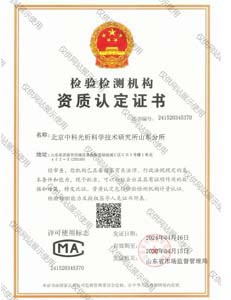
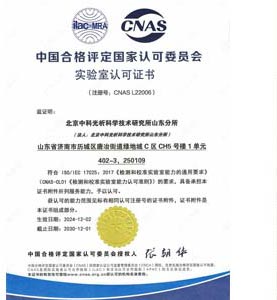
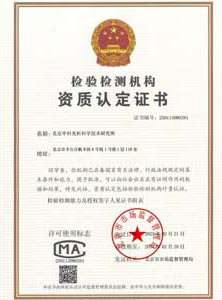
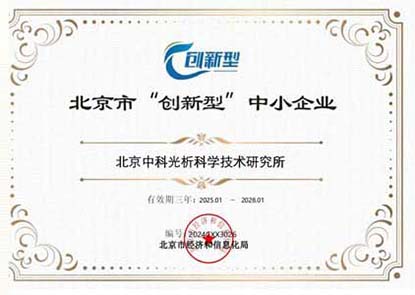
Commitment: Our testing process strictly follows international standards and specifications to ensure the accuracy and reliability of results. Our laboratory facilities are fully equipped with the latest instruments and leading analytical methods. We strictly control every step, from sample collection and processing to data analysis, to ensure clients receive trustworthy test results.


Antioxidant and In Vitro Efficacy Testing Service – Comprehensive Evaluation from Chemical Radical Scavenging to Cellular and Molecular Bioactivity
As an ISO/IEC 17025 accredited independent testing laboratory, we provide specialised antioxidant and in vitro efficacy testing services to manufacturers, formulators, and regulatory teams in the cosmetic, nutraceutical, functional food, pharmaceutical, and medical device sectors. Antioxidant activity is one of the most frequently claimed product benefits; however, demonstrating true efficacy requires far more than a simple chemical radical‑scavenging assay (such as DPPH or ABTS). Our tiered evaluation strategy combines chemical screening, cell‑based models, and molecular mechanism studies to deliver a comprehensive, scientifically defensible efficacy dossier. All methods are aligned with international guidelines, including OECD, ICH, ISO, GB/T, and the Cosmetic Safety Technical Specification (2025), and our reports are accepted by the National Medical Products Administration (NMPA), the State Administration for Market Regulation (SAMR), the U.S. Food and Drug Administration (FDA), and the European Medicines Agency (EMA) for product registration, claim substantiation, and quality assurance.
Sample Types and Product Formats We Evaluate
Our laboratory accepts a wide variety of samples and finished products with antioxidant or oxidative stress‑related claims. Typical test articles include:
- Plant extracts and natural active ingredients – polyphenols, flavonoids, anthocyanins, tannins, terpenes, polysaccharides, and essential oils
- Cosmetic raw materials and finished products – serums, creams, facial masks, sunscreens, anti‑ageing creams, and cleansing products
- Nutraceuticals and functional foods – capsules, tablets, oral liquids, powders, and functional beverages
- Pharmaceutical and medical device materials – antioxidant excipients, wound dressing extracts, and implantable material leachables
- Novel synthetic antioxidants – e.g., ergothioneine, ectoine, astaxanthin, coenzyme Q10, vitamin C derivatives, and antioxidant peptides
- Finished formulations and complex blends – for stability testing, formulation optimisation, and direct claim support
Chemical Radical‑Scavenging Assays – Primary Screening of Antioxidant Potential
- DPPH radical scavenging assay – GB/T 39100 / SN/T 4260 / ISO 15914 – We measure the ability of test samples to neutralise the stable DPPH (2,2‑diphenyl‑1‑picrylhydrazyl) radical, which shows a characteristic absorbance at 517 nm. The percentage of scavenging activity is calculated, and the half‑maximal inhibitory concentration (IC₅₀, in mg/mL) is determined. For potent antioxidants, an IC₅₀ < 0.1 mg/mL is typically required to demonstrate significant activity.
- ABTS cation radical scavenging assay – GB/T 39100 / SN/T 4260 – The ABTS (2,2'‑azinobis‑3‑ethylbenzothiazoline‑6‑sulphonate) radical cation is generated by persulfate oxidation and decolorised in the presence of antioxidants. The assay is performed at 734 nm, and results are expressed as Trolox Equivalent Antioxidant Capacity (TEAC, in mmol Trolox/g) or as the percentage inhibition relative to a control. This assay is particularly useful for hydrophilic and lipophilic antioxidants.
- Ferric reducing antioxidant power (FRAP) – Benzie & Strain method – The FRAP assay measures the reduction of ferric tripyridyltriazine (Fe³⁺‑TPTZ) to the ferrous form (Fe²⁺) at low pH, producing an intense blue colour measured at 593 nm. The reducing power is expressed as µmol Fe²⁺/g sample, providing a direct measure of electron‑donating capacity.
- Oxygen radical absorbance capacity (ORAC) – AOAC 2012.23 / ISO 16421 – Using a fluorescein probe that is quenched by peroxyl radicals generated by AAPH (2,2'‑azobis(2‑amidinopropane) dihydrochloride), we measure the antioxidant capacity as the area under the fluorescence decay curve. The ORAC value is expressed as µmol Trolox equivalents per gram (µmol TE/g). This assay is considered the gold standard for biological relevance because it mimics the oxidative environment in vivo.
- Hydroxyl radical scavenging activity – Fenton reaction‑based assay – We assess the ability of the sample to scavenge hydroxyl radicals (·OH) generated by the Fenton reaction, measured by the degradation of salicylic acid or by the deoxyribose method. The percentage of hydroxyl radical inhibition is calculated; a value > 50 % indicates strong protective activity against the most reactive oxygen species.
- Superoxide anion radical scavenging – PMS‑NADH system – We measure the inhibition of superoxide generation (by the phenazine methosulfate – NADH system) using nitro blue tetrazolium (NBT) reduction at 560 nm. The superoxide scavenging activity is expressed as the IC₅₀ (µg/mL) for inhibiting 50 % of the superoxide radical.
Cellular Antioxidant Activity – Protection and Repair at the Cell Level
Chemical assays alone cannot predict biological efficacy. We therefore follow up with cell‑based models that measure the functional protection of living cells against oxidative stress.
- Cellular antioxidant activity (CAA) – HepG2 cell‑based assay – Using human hepatoma cells (HepG2) loaded with DCFH‑DA (a cell‑permeable fluorescent probe), we quantify the inhibition of intracellular ROS generation induced by AAPH (peroxyl radicals) or by H₂O₂. The CAA value is expressed as µmol quercetin equivalents per gram (µmol QE/g) or as the EC₅₀ (mg/mL) for 50 % inhibition of ROS. A high CAA (> 10 µmol QE/g) indicates that the antioxidant can penetrate the cell membrane and exert protection at the intracellular level.
- Protection against oxidative damage to cell membranes – lipid peroxidation (MDA assay) – TBARS method – We treat cultured cells with a pro‑oxidant (e.g., H₂O₂ or Fe²⁺/ascorbate) and measure the production of malondialdehyde (MDA), a marker of lipid peroxidation. The percentage reduction in MDA content (compared to oxidised control) is calculated; a reduction ≥ 40 % is considered meaningful.
- Preservation of mitochondrial function – JC‑1 or MTT assay – Mitochondria are a primary target of oxidative damage. Using the JC‑1 fluorescent dye (which monitors mitochondrial membrane potential), we measure the loss of membrane potential after oxidative challenge. The percentage of cells with preserved mitochondrial function is reported. We also perform the MTT assay (on a parallel plate) to measure overall cell viability; an antioxidant that maintains ≥ 80 % viability under oxidative stress is considered effective.
- DNA damage protection – comet assay (single‑cell gel electrophoresis) – OECD TG 489 – We treat cultured lymphocytes with an oxidant (e.g., H₂O₂) and measure the DNA strand breaks using the comet assay. The percentage of cells with intact DNA (no comet tail) is calculated; an increase of ≥ 30 % in intact cells (compared to oxidised control) indicates DNA protective activity.
- Reactive oxygen species (ROS) scavenging – flow cytometry – DCFH‑DA method – Using flow cytometry, we quantify the intracellular ROS level (mean fluorescence intensity) in treated and oxidised cells. The ROS reduction percentage is calculated as [(F_oxidised – F_treated)/F_oxidised] × 100. A reduction > 50 % is considered a strong cellular antioxidant effect.
- Anti‑inflammatory and oxidative stress gene expression – RT‑qPCR – We evaluate the mRNA expression of key oxidative stress‑related genes (e.g., Nrf2, HO‑1, SOD, CAT, GPx, and NF‑κB) in treated vs. untreated cells under oxidative challenge. An up‑regulation of Nrf2, HO‑1, and SOD (> 2‑fold) and a down‑regulation of NF‑κB (≤ 0.5‑fold) indicate that the antioxidant acts by activating endogenous defence pathways.
Molecular Mechanism Studies – Understanding the Mode of Action
For clients requiring deeper mechanistic insight, we provide a range of molecular biology assays to elucidate how the antioxidant exerts its effects.
- Nrf2/ARE signalling pathway activation – luciferase reporter assay – Using a cell line stably transfected with an antioxidant response element (ARE)‑luciferase construct, we measure the induction of luciferase activity after treatment. A fold‑increase ≥ 3‑fold over the control confirms activation of the Nrf2 pathway.
- Keap1‑Nrf2 interaction – immunoprecipitation and Western blot – We perform co‑immunoprecipitation (Co‑IP) to assess whether the test compound disrupts the Keap1‑Nrf2 binding, and we measure Nrf2 nuclear translocation by Western blot of nuclear extracts. An increase in nuclear Nrf2 (≥ 2‑fold) indicates activation of the pathway.
- Enzyme activity assays for endogenous antioxidants – SOD, CAT, GPx, and GR – We measure the activity of superoxide dismutase (SOD), catalase (CAT), glutathione peroxidase (GPx), and glutathione reductase (GR) in cell lysates using colorimetric or fluorometric kits. An increase of ≥ 30 % in any of these enzymes indicates that the antioxidant is enhancing the endogenous defence system.
- Glutathione (GSH/GSSG) ratio – fluorescence or HPLC method – We quantify the reduced glutathione (GSH) and oxidised glutathione (GSSG) levels using a fluorescent probe (monochlorobimane) or HPLC. The GSH/GSSG ratio is calculated; a ratio > 10 indicates a highly reductive cellular environment, which is a strong indicator of antioxidant efficacy.
- Inhibition of pro‑oxidant enzymes – xanthine oxidase and lipoxygenase assays – We measure the inhibition of xanthine oxidase (XO) activity (by uric acid production) and lipoxygenase (LOX) activity (by linoleic acid oxidation). The IC₅₀ for inhibition of each enzyme is reported; a low IC₅₀ (< 50 µg/mL) indicates that the antioxidant may act by directly inhibiting radical‑generating enzymes.
Stability and Formulation Compatibility – Ensuring Retained Activity
- Accelerated stability testing – ICH Q1A / ASTM F1980 – We store the formulated antioxidant product (or active ingredient) under elevated temperatures (40 °C, 50 °C, 60 °C) and under light (UV and visible) for 1, 3, and 6 months. At each time point, we re‑measure the DPPH, ABTS, and cellular antioxidant activity to determine the shelf‑life and the degradation kinetics. A retention of ≥ 80 % activity after 6 months is acceptable for most commercial products.
- Thermal and pH stability – activity as a function of processing conditions – We expose the active ingredient to different pH (3‑10) and temperatures (25‑80 °C) and then assess the remaining radical‑scavenging activity. The activity retention (in %) is plotted against pH and temperature; a retention > 80 % over the intended range is required for successful formulation.
- Photo‑stability – UV and visible light exposure – ISO 4892‑3 / ASTM G154 – We irradiate the product with UVA‑340 lamps (0.89 W/m² at 340 nm) and visible light (1 200 lux) for up to 500 hours. The colour change (ΔE*), chemical degradation (by HPLC), and remaining antioxidant activity (DPPH or ABTS) are monitored. A colour change of ΔE* < 2.0 and activity retention > 75 % are considered acceptable for light‑exposed applications.
- Compatibility with common excipients and packaging materials – We test the antioxidant activity in the presence of common formulation ingredients (e.g., surfactants, preservatives, thickeners) and in contact with packaging materials (glass, HDPE, PET, and aluminium). Any significant reduction in activity (> 20 %) is reported and an alternative formulation or packaging is recommended.
Regulatory Compliance – Claim Substantiation and Labelling Support
All antioxidant and in vitro efficacy tests are performed under our ISO/IEC 17025 accreditation and, where applicable, in compliance with Good Laboratory Practice (GLP) principles. Our final reports provide a complete description of the sample, the test methods, the raw data, the calculated parameters (IC₅₀, TEAC, ORAC, CAA, gene expression fold‑changes), statistical summaries (mean, standard deviation, 95 % confidence intervals, p‑values from t‑tests or ANOVA), and a clear conclusion on the antioxidant efficacy and mechanism of action. The reports are structured to meet the requirements of the NMPA, SAMR, FDA, and EMA for product registration, health claim substantiation, and label development. Bilingual (Chinese/English) versions are available to facilitate submissions to national and international regulatory authorities.
Note: Due to business adjustments, we do not accept individual client testing requests.
The above is an introduction about Antioxidant and in vitro efficacy testing. For further questions, please consult our online engineer.
Laboratory Instruments


Partner Clients

Related Projects
 Hydrogen sulfide corrosion testing service
 Pressure relief valve hydraulic burst testing service
 Freezing experiment
 Ultimate impact torque testing service
 Corrosion resistance testing service
 20℃ impact energy testing service
 Pressure leak testing service
 AC dielectric testing service
 Vibration testing service
 Housing pressure testing service