
Drug immunogenicity assessment

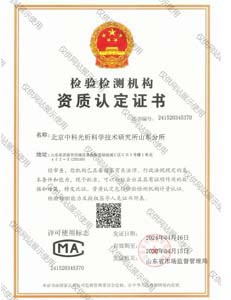
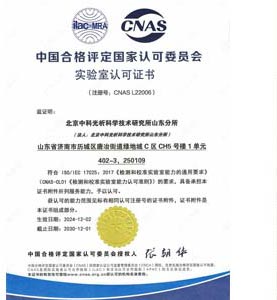
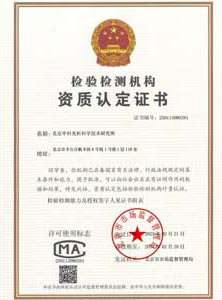
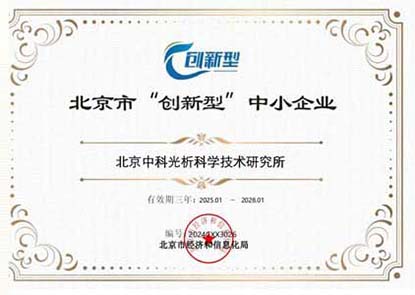
Commitment: Our testing process strictly follows international standards and specifications to ensure the accuracy and reliability of results. Our laboratory facilities are fully equipped with the latest instruments and leading analytical methods. We strictly control every step, from sample collection and processing to data analysis, to ensure clients receive trustworthy test results.


Comprehensive Testing and Inspection Services – ISO/IEC 17025 Accredited Laboratory for Quality, Safety and Regulatory Compliance
As an ISO/IEC 17025 accredited independent testing laboratory, we provide a full spectrum of material characterisation, product performance evaluation, and regulatory compliance testing services to manufacturers, importers, developers, and regulatory authorities across all industrial sectors. Our state‑of‑the‑art facilities, experienced technical teams, and broad scope of accreditation enable us to deliver accurate, reproducible, and defensible results that support product development, quality assurance, supply chain control, and market access – both domestically and internationally. We serve clients in the automotive, aerospace, construction, medical device, pharmaceutical, food, energy, electronics, and consumer goods industries, with a commitment to technical excellence, data integrity, and client partnership. Our reports are recognised by national regulatory bodies, including the National Medical Products Administration (NMPA), State Administration for Market Regulation (SAMR), Ministry of Ecology and Environment (MEE), and international authorities such as the FDA, EMA, and WHO.
Materials and Products We Regularly Test
Our laboratory infrastructure accommodates a diverse range of materials and finished product samples across all major categories. Typical test articles include:
- Metals and alloys – carbon steels, stainless steels, aluminium alloys, copper alloys, titanium alloys, superalloys, and specialised alloys for aerospace and medical applications
- Polymers, plastics and elastomers – engineering plastics, thermoplastics, thermosets, rubbers, silicones, polyurethanes, and polymer matrix composites
- Ceramics and advanced materials – structural ceramics, ceramic matrix composites, carbon‑carbon composites, glasses, and glass‑ceramics
- Construction materials – cement, concrete, aggregates, asphalt, timber, structural steel, and geosynthetics
- Coatings and surface finishes – paints, varnishes, powder coatings, electroplated coatings, anodised finishes, and thermal spray coatings
- Textiles and fibrous materials – woven and non‑woven fabrics, technical textiles, filtration media, and geotextiles
- Packaging materials – corrugated board, plastic films, metal cans, glass bottles, flexible packaging, and blister packs
- Biologics, pharmaceuticals and medical devices – drug substances, finished dosage forms, sterile products, implantable devices, and combination products
- Food and agricultural products – fresh produce, processed foods, grains, oils, dairy, meat, seafood, and food contact materials
- Consumer goods and electronics – toys, sporting equipment, home appliances, IT equipment, and battery systems
Mechanical Testing – Tensile, Compression, Impact, Fatigue and Hardness
- Tensile and compression testing – ASTM E8/E9, ISO 6892‑1, ISO 7500‑1, GB/T 228.1 – Using universal testing machines (UTMs) with capacities ranging from 1 kN to 2 000 kN, we determine yield strength, ultimate tensile strength, elongation, and modulus of elasticity for both metallic and non‑metallic materials. Compression testing assesses strength and deformation behaviour under axial loads, critical for structural design and quality control.
- Impact and toughness testing – ASTM E23, ISO 148‑1, GB/T 229 – Charpy V‑notch and Izod impact tests measure energy absorbed during fracture at high strain rates, providing essential data for assessing ductile‑to‑brittle transition behaviour and notch sensitivity.
- Fatigue and endurance testing – ASTM E466, ISO 1099, GB/T 3075 – Using servo‑hydraulic and rotating‑bending fatigue machines, we determine fatigue limits and S‑N curves for components subjected to cyclic loading, essential for automotive, aerospace, and structural applications.
- Hardness testing – ASTM E18/E10, ISO 6506/6507/6508, GB/T 230/231/4340 – Rockwell, Brinell, Vickers, Knoop, and Shore hardness tests evaluate resistance to indentation and wear, providing rapid quality control indicators and correlations with material strength.
- Creep and stress relaxation – ASTM E139, ISO 204, GB/T 2039 – For materials operating at elevated temperatures, we measure creep deformation and stress relaxation over extended periods, enabling accurate prediction of long‑term service behaviour in power generation and petrochemical applications.
- Fracture toughness – ASTM E399/E1820, ISO 12737, GB/T 4161 – We determine plane‑strain fracture toughness (KIC), crack‑tip opening displacement (CTOD), and J‑integral values to assess resistance to catastrophic failure in critical structural components.
Chemical Composition and Materials Identification
- Optical emission spectrometry (OES) – ASTM E415/E1251, GB/T 4336 – Using advanced spark emission spectrometers, we determine the chemical composition of metals and alloys with high precision, verifying grade compliance and detecting material substitutions.
- Inductively coupled plasma mass spectrometry (ICP‑MS) – ASTM D1976, ISO 17294, GB/T 5750 – For trace element analysis at parts‑per‑billion (ppb) levels, ICP‑MS provides ultra‑high sensitivity for detecting impurities, contaminants, and heavy metals in water, soils, biological tissues, and pharmaceutical materials.
- X‑ray fluorescence (XRF) – ASTM E1621, ISO 12980, GB/T 31364 – Non‑destructive elemental analysis from sodium to uranium, suitable for coating thickness measurement, positive material identification (PMI), and rapid screening of restricted substances (RoHS, REACH).
- Combustion analysis – ASTM E1019, ISO 15350, GB/T 20123 – Carbon, sulfur, nitrogen, hydrogen, and oxygen contents are determined using high‑frequency combustion with infrared detection, essential for quality control of steels, alloys, and organic materials.
- Fourier‑transform infrared spectroscopy (FTIR) – ASTM E1252, ISO 19702, GB/T 6040 – We identify and characterise polymers, organic coatings, and contaminants using infrared spectroscopy, providing chemical fingerprinting, degradation analysis, and material identification.
- Wet chemical analysis – ASTM D1193, ISO 3696, GB/T 6682 – Titrimetric, gravimetric, and colorimetric methods are available for the determination of specific elements and functional groups according to standardised procedures.
Microstructural and Metallurgical Characterisation
- Metallographic preparation and examination – ASTM E3/E407, ISO 4496, GB/T 13298 – Our metallography laboratory is equipped with precision sectioning, mounting, grinding, and polishing equipment for preparing samples for microscopic analysis. Microstructural features such as grain size, phase distribution, inclusion content, and case depth are evaluated.
- Scanning electron microscopy with energy‑dispersive X‑ray spectroscopy (SEM/EDS) – ASTM E1508/E1588, GB/T 16594 – High‑resolution imaging and elemental mapping provide detailed characterisation of fracture surfaces, corrosion products, and microstructural features down to the nanoscale.
- Electron backscatter diffraction (EBSD) – ASTM E2627, ISO 24173 – For crystallographic texture analysis, phase identification, and grain orientation mapping, EBSD provides advanced microstructural data essential for understanding material performance and deformation mechanisms.
- X‑ray diffraction (XRD) – ASTM E975/E915, ISO 13424, GB/T 30905 – Phase identification, residual stress measurement, and quantitative phase analysis are performed on powders, bulk materials, and thin films, supporting quality control and failure analysis.
- Grain size determination and inclusion rating – ASTM E112/E45, ISO 643/4967, GB/T 6394/10561 – We determine average grain size (ASTM number) and non‑metallic inclusion levels according to international standards, providing essential data for assessing material consistency and performance.
Thermal and Thermomechanical Property Determination
- Differential scanning calorimetry (DSC) – ASTM E1356, ISO 11357, GB/T 19466 – We measure glass transition temperatures, melting points, crystallisation temperatures, and heat capacities for polymers, pharmaceuticals, and advanced materials.
- Thermogravimetric analysis (TGA) – ASTM E1131, ISO 11358, GB/T 27761 – Under controlled atmospheres, we determine decomposition temperatures, compositional analysis, thermal stability, and moisture/volatile contents of a wide range of materials.
- Thermal conductivity and diffusivity – ASTM E1461, ISO 22007‑4, GB/T 22588 – Using the laser flash technique, we measure thermal diffusivity and calculate thermal conductivity for metals, ceramics, polymers, and composites, supporting thermal management and insulation applications.
- Coefficient of thermal expansion (CTE) – ASTM E228, ISO 11359‑2, GB/T 4339 – Dilatometry provides accurate measurement of linear thermal expansion over a temperature range, essential for matching materials in assemblies and predicting dimensional stability.
- Heat deflection temperature (HDT) – ASTM D648, ISO 75, GB/T 1634 – We determine the temperature at which a polymer specimen deflects under a specified load, providing a key indicator of thermomechanical performance for engineering plastics.
- Vicat softening temperature – ASTM D1525, ISO 306, GB/T 1633 – We measure the softening point of thermoplastics using the Vicat method, indicating the maximum usable temperature for a given application.
Environmental and Durability Testing – Weathering, Corrosion and Chemical Resistance
- Accelerated weathering and UV exposure – ASTM G154, ISO 4892‑3, GB/T 16422 – Using fluorescent UV, xenon arc, and carbon arc chambers, we simulate the damaging effects of sunlight, moisture, and heat to evaluate the outdoor durability of materials, coatings, and finished products.
- Corrosion testing – ASTM B117, ISO 9227, GB/T 10125 – Neutral salt spray, acetic acid salt spray, and copper‑accelerated salt spray testing evaluate the corrosion resistance of metallic coatings, surface finishes, and materials under accelerated atmospheric conditions.
- Cyclic corrosion and climatic testing – ASTM G85, ISO 16701, GB/T 2423 – We simulate real‑world environmental cycling (temperature, humidity, condensation, and salt spray) to predict long‑term performance of automotive, marine, and infrastructure components.
- Chemical resistance testing – ASTM D543, ISO 175, GB/T 11547 – We assess resistance to acids, alkalis, solvents, and other chemicals by measuring changes in weight, dimensions, and mechanical properties after immersion or exposure to the test agents.
- Immersion and humidity testing – ASTM D870/D1735, ISO 6270‑1, GB/T 12000 – Constant and cyclic humidity exposure tests evaluate blistering, adhesion loss, and visual degradation of protective coatings and decorative finishes.
- Electrochemical corrosion testing – ASTM G5/G59, ISO 17475, GB/T 24196 – Potentiodynamic polarisation, electrochemical impedance spectroscopy (EIS), and other electrochemical techniques evaluate corrosion susceptibility and predict material performance in aggressive environments.
Electrical and Electronic Performance Testing
- Dielectric strength and breakdown voltage – ASTM D149, IEC 60243‑1, GB/T 1408 – We measure the electrical breakdown voltage and dielectric strength of insulating materials, essential for electrical equipment and component qualification.
- Insulation and volume/surface resistivity – ASTM D257, IEC 60093, GB/T 1410 – Using guarded electrode systems, we determine electrical resistivity, providing data for specifying insulating materials and predicting leakage current performance.
- Permittivity and dissipation factor – ASTM D150, IEC 60250, GB/T 1409 – At frequencies from 50 Hz to 1 MHz, we measure the dielectric constant and loss tangent, supporting the design of capacitors, transformers, and microwave components.
- Arc resistance and tracking index – ASTM D495, IEC 61621, GB/T 1411/4207 – We evaluate the resistance of insulating materials to high‑voltage arcs and tracking, providing data for assessing fire and shock hazards in electrical equipment.
- Electromagnetic interference (EMI) and shielding effectiveness – ASTM D4935, IEC 61596, GB/T 30114 – We measure the ability of materials to attenuate electromagnetic fields, essential for enclosures, gaskets, and other applications requiring EMI shielding.
Biological and Biocompatibility Testing – Medical Devices, Pharmaceuticals and Biologics
- Cytotoxicity and cell viability – ISO 10993‑5, USP <87>, GB/T 16886.5 – We perform MTT, XTT, and colony‑forming assays on extracts or direct contact materials to evaluate the potential for cell damage or growth inhibition, essential for implantable devices and drug‑eluting products.
- Sensitisation and irritation – ISO 10993‑10, OECD 442C, GB/T 16886.10 – Using validated in vitro methods (such as the KeratinoSens™ assay) and in vivo models (LLNA and GPMT), we assess the sensitisation and irritation potential of materials and extracts, supporting regulatory submissions for medical devices and topical products.
- Pyrogen and endotoxin testing – USP <85>, ISO 10993‑11, GB/T 14233 – We perform LAL (Limulus Amebocyte Lysate) and recombinant Factor C assays to quantify endotoxin levels, and we offer monocyte activation tests (MAT) for pyrogen detection, ensuring safety for parenteral and implantable products.
- Immunogenicity assessment – ICH S6, ICH Q5A, USP <1106>, FDA 2025 guidance – We conduct anti‑drug antibody (ADA) and neutralising antibody (NAb) testing using validated MSD/ECL and cell‑based assays, as well as cytokine release profiling (IL‑2, IL‑6, IFN‑γ, TNF‑α) and T‑cell activation (ELISpot, ICS) to support biologic development and biosimilar comparability.
- Pharmacopoeial and compendial testing – USP, Ph. Eur., ChP, JP – We perform bioassays (e.g., calcitonin, insulin, erythropoietin), dissolution testing, sterility testing, and bacterial endotoxin testing according to the relevant pharmacopoeial monographs, supporting product release and stability monitoring.
- Microbiological quality control – ISO 4833, ISO 21527, GB 4789, USP <61>/<62> – Total aerobic count, yeast and mould count, and pathogen screening (Salmonella, Listeria, E. coli, Staphylococcus aureus) are performed on raw materials, finished products, and environmental samples, ensuring compliance with GMP and food safety standards.
Food, Agricultural and Environmental Testing
- Nutritional composition and proximate analysis – AOAC methods, ISO 2171, GB/T 5009 – We determine moisture, protein, fat, fibre, ash, and carbohydrate content in food, feed, and agricultural products, supporting nutritional labelling and quality control.
- Contaminant and residue testing – pesticide residues, mycotoxins, heavy metals – ISO 17025 accredited methods – Using GC‑MS/MS, LC‑MS/MS, and ICP‑MS, we screen for hundreds of pesticides, mycotoxins (aflatoxins, ochratoxin A, fumonisins), and trace metals (Pb, Cd, As, Hg) to ensure compliance with national and international maximum residue limits (MRLs).
- Shelf‑life and preservation efficacy – fresh produce, processed foods, and packaging – We conduct controlled storage trials, accelerated shelf‑life testing, and microbial challenge tests to evaluate the effectiveness of preservation interventions (MAP, coatings, antimicrobial washes, etc.) and to establish accurate shelf‑life declarations.
- Environmental testing – soil, water, air, and waste analysis – We analyse water (drinking, surface, groundwater) for chemical and microbiological parameters, soil for contaminant levels, and air for particulate matter and volatile organic compounds, supporting environmental monitoring and remediation projects.
- Food contact material testing – FDA 21 CFR, EU 10/2011, GB 4806 – We perform overall and specific migration testing for packaging materials, as well as heavy metal extraction and sensory evaluation, ensuring compliance with food safety regulations.
Regulatory Compliance and Restricted Substances Screening
- RoHS and WEEE compliance – IEC 62321, GB/T 26125 – We screen materials for restricted substances (lead, mercury, cadmium, hexavalent chromium, polybrominated biphenyls, polybrominated diphenyl ethers, and phthalates) to ensure compliance with national and international legislation.
- REACH and SVHC screening – ECHA regulation, GB/T 33263 – We analyse materials for Substances of Very High Concern (SVHC) on the REACH candidate list, supporting regulatory declarations and downstream notifications.
- Halogen content and low‑smoke testing – IEC 61249‑2‑21, EN 14582, GB/T 26125 – We determine total halogens (fluorine, chlorine, bromine, iodine) and evaluate smoke density during combustion, supporting compliance with fire safety and environmental regulations.
- Flame retardancy – UL 94, ISO 4589, GB/T 2408, GB/T 2406 – We perform vertical and horizontal flame tests, oxygen index measurements, and smoke density tests on a wide range of polymers and composites, ensuring compliance with safety standards for electronics, construction, and transportation.
- RoHS, REACH, POPs and California Proposition 65 screening – comprehensive restricted substance analysis – We offer a full suite of chemical testing for regulated and restricted substances, supporting global supply chain compliance and due diligence.
Report Acceptance and Regulatory Compliance
All tests and inspections described above are conducted within our ISO/IEC 17025 accredited laboratory, with full traceability to national and international standards (including GB, ASTM, ISO, EN, and pharmacopoeial methods). Our comprehensive test reports provide clear, defensible data that meets the requirements of regulatory authorities, including National Medical Products Administration (NMPA), State Administration for Market Regulation (SAMR), Ministry of Ecology and Environment (MEE), Ministry of Industry and Information Technology (MIIT), FDA, EMA, and other global regulatory bodies. Our reports support product registration, market access, customs clearance, and procurement decisions across all regulated industries. Bilingual (Chinese/English) versions of reports are available to facilitate international trade and regulatory submissions, ensuring seamless acceptance both domestically and in global markets. We are committed to technical integrity, client partnership, and the highest quality standards, and we look forward to supporting your success.
Note: Due to business adjustments, we do not accept individual client testing requests.
The above is an introduction about Drug immunogenicity assessment. For further questions, please consult our online engineer.
Laboratory Instruments


Partner Clients

Related Projects
 Hydrogen sulfide corrosion testing service
 Pressure relief valve hydraulic burst testing service
 Freezing experiment
 Ultimate impact torque testing service
 Corrosion resistance testing service
 20℃ impact energy testing service
 Pressure leak testing service
 AC dielectric testing service
 Vibration testing service
 Housing pressure testing service