信息概要
- 充气睡垫是一种用于户外活动和露营的便携式睡眠产品,通常由聚合物材料制成,如PVC或TPU,提供舒适和绝缘。
- 降解检测至关重要,以确保产品在使用寿命结束后能 environmentally friendly 降解,减少塑料污染,符合环保法规和可持续发展目标。
- 第三方检测机构提供全面的降解评估服务,包括生物降解、化学降解和物理性能测试,帮助制造商确保产品环保性和市场竞争力。
检测项目
- 生物降解率
- 化学降解性
- 抗紫外线性能
- 热稳定性
- 氧化降解
- 水解稳定性
- 微生物活性测试
- 碳足迹分析
- 生态毒性
- 重金属含量
- pH值测试
- 挥发性有机化合物(VOC)排放
- 可生物降解成分百分比
- 降解产物分析
- 抗真菌性能
- 抗细菌性能
- 光降解性
- 热降解性
- 机械性能变化
- 颜色稳定性
- 气味测试
- 重量损失率
- 分子量变化
- 凝胶含量
- 溶胀指数
- 交联密度
- 抗氧化性能
- 抗臭氧性能
- 湿度影响测试
- 盐雾测试
- 可堆肥性评估
- 生物积累潜力
- 降解时间测定
- 环境持久性测试
- 毒性浸出测试
检测范围
需要检测,但不确定项目与标准?工程师为您一对一制定检测方案
- PVC充气睡垫
- TPU充气睡垫
- 尼龙充气睡垫
- 聚酯纤维充气睡垫
- 单人气垫
- 双人气垫
- 家庭用充气睡垫
- 户外探险用充气睡垫
- 儿童用充气睡垫
- 自动充气睡垫
- 手动充气睡垫
- 电动充气睡垫
- 轻量级睡垫
- 绝缘睡垫
- 防潮睡垫
- 可折叠睡垫
- 集成枕头睡垫
- 豪华型睡垫
- 经济型睡垫
- 品牌A睡垫
- 品牌B睡垫
- 高海拔用睡垫
- 海滩用睡垫
- 军用睡垫
- 急救睡垫
- 充气床垫
- 自支撑睡垫
- 非自支撑睡垫
- 带有泵的睡垫
- 无泵睡垫
- 防水睡垫
- 透气睡垫
- 加厚睡垫
- 超薄睡垫
- 多功能睡垫
- 可调节睡垫
- 环保材料睡垫
- 回收材料睡垫
- 定制尺寸睡垫
检测方法
检测报告可以为您解决:产品性能提升改进科研项目立项与结题依据内部科研新品把控生产工艺改进与失效分析
- ASTM D5511 - 标准测试方法 for anaerobic biodegradation of plastic materials in a high-solids anaerobic digestion system.
- ISO 14855 - Determination of the ultimate aerobic biodegradability of plastic materials under controlled composting conditions.
- ASTM D5338 - Standard test method for determining aerobic biodegradation of plastic materials under controlled composting conditions.
- ISO 16929 - Plastics—Determination of the degree of disintegration of plastic materials under defined composting conditions in a pilot-scale test.
- ASTM D6400 - Standard specification for labeling of plastics designed to be aerobically composted in municipal or industrial facilities.
- OECD 301 - Ready biodegradability test guidelines for assessing the biodegradability of chemicals.
- EPA Method 8090 - For analysis of organic compounds in wastes and environmental samples related to degradation.
- UV aging test - Simulates degradation under sunlight exposure using UV lamps.
- Thermogravimetric Analysis (TGA) - Measures weight changes as a function of temperature to assess thermal stability.
- Differential Scanning Calorimetry (DSC) - Analyzes thermal transitions such as melting and crystallization during degradation.
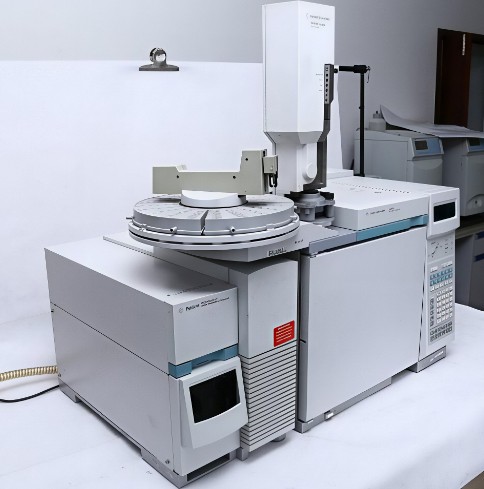
- Gas Chromatography-Mass Spectrometry (GC-MS) - Identifies and quantifies volatile degradation products.
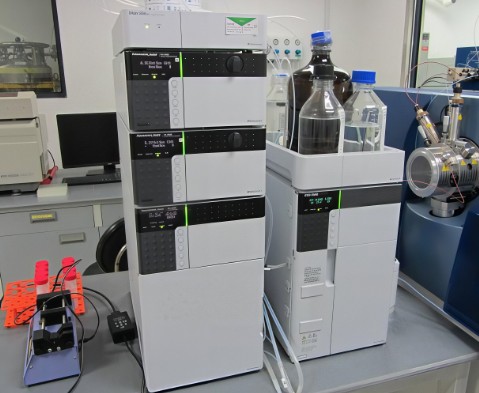
- High-Performance Liquid Chromatography (HPLC) - Separates and analyzes non-volatile compounds from degradation.
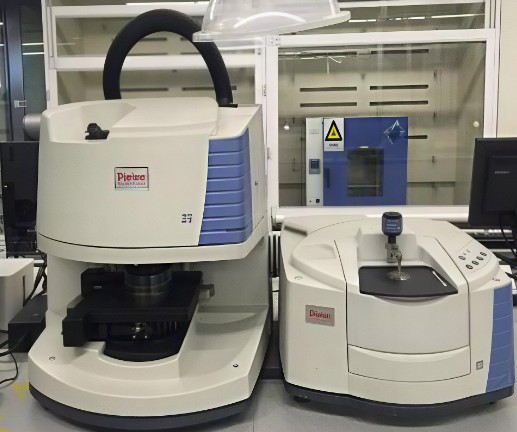
- Fourier Transform Infrared Spectroscopy (FTIR) - Detects chemical functional group changes due to degradation.
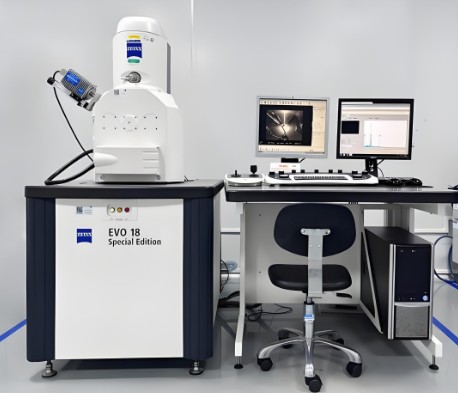
- Scanning Electron Microscopy (SEM) - Observes surface morphology changes at high resolution.
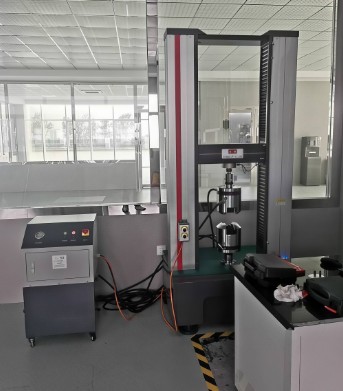
- Tensile testing - Evaluates mechanical property degradation by measuring strength and elongation.
- Hardness testing - Measures changes in material hardness using a durometer.
- Color measurement - Uses a colorimeter to assess color fading or changes.
- pH testing - Determines acidity or alkalinity of degradation liquids.
- Microbial count - Assesses microbial activity and population during biodegradation.
- Carbon dioxide evolution test - Measures the rate of aerobic biodegradation by CO2 production.
- Hydrolysis test - Evaluates degradation in aqueous environments under controlled conditions.
- Oxidation induction time test - Assesses resistance to oxidative degradation.
- Accelerated aging test - Simulates long-term degradation in a shorter time using elevated temperatures.
- Compost simulation test - Mimics natural composting conditions to evaluate biodegradation.
- Ecotoxicity test - Determines the toxic effects of degradation products on organisms.
- Leachate analysis - Tests chemicals leaching out during degradation.
- Molecular weight determination - Uses GPC or other methods to track polymer chain scission.
- Water absorption test - Measures moisture uptake which can influence degradation.
- Salt spray test - Evaluates corrosion and degradation in saline environments.
- Ozone resistance test - Assesses material degradation under ozone exposure.
检测仪器
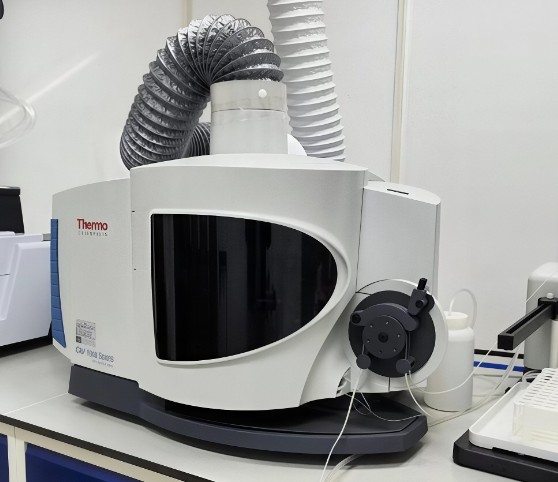
- 气相色谱仪
- 质谱仪
- 紫外可见分光光度计
- 热重分析仪
- 差示扫描量热仪
- 傅里叶变换红外光谱仪
- 扫描电子显微镜
- 拉伸试验机
- 硬度计
- pH计
- 恒温恒湿箱
- 紫外老化箱
- 堆肥模拟器
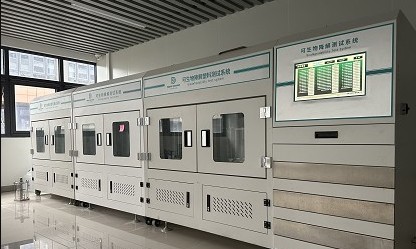
- 生物降解测试装置
- 分析天平
- 离心机
- 显微镜
- 色度计
- 臭氧老化箱
- 盐雾试验箱
- 高温炉
- 微生物培养箱
- 气体分析仪
- 液相色谱仪
- 粒度分析仪
机构信息
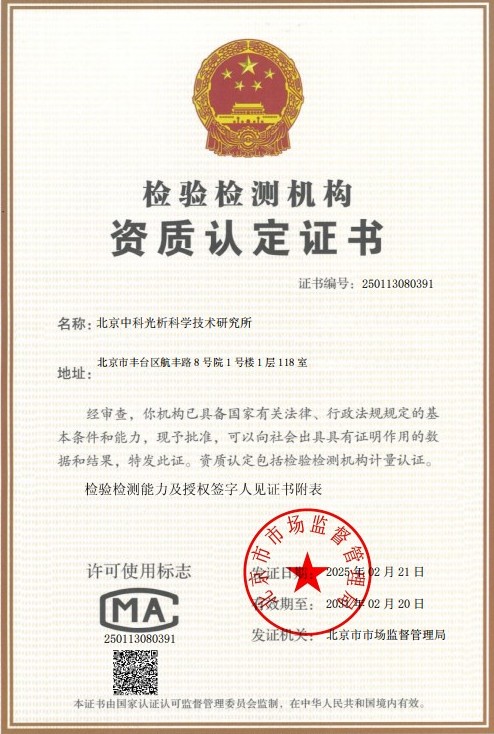
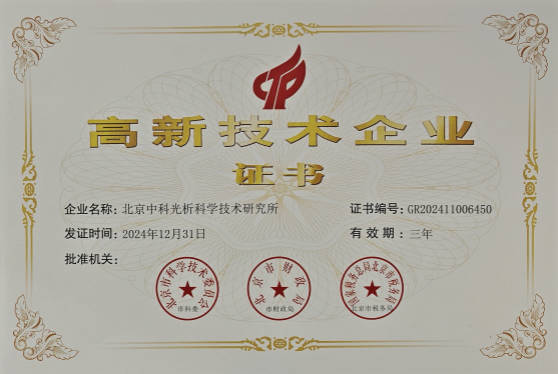
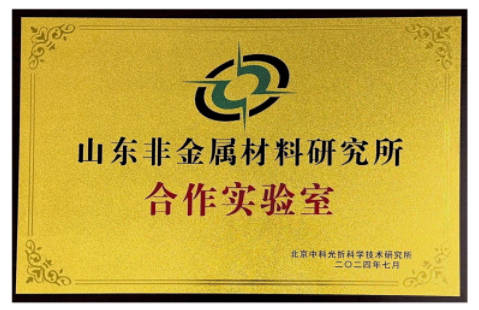
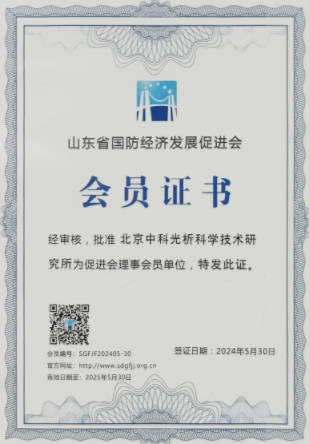
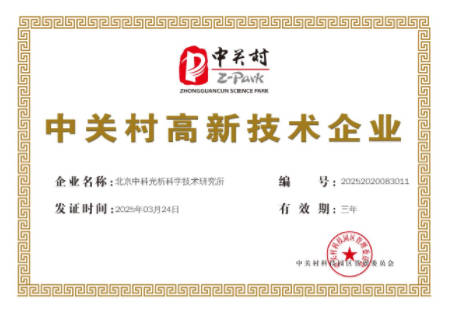
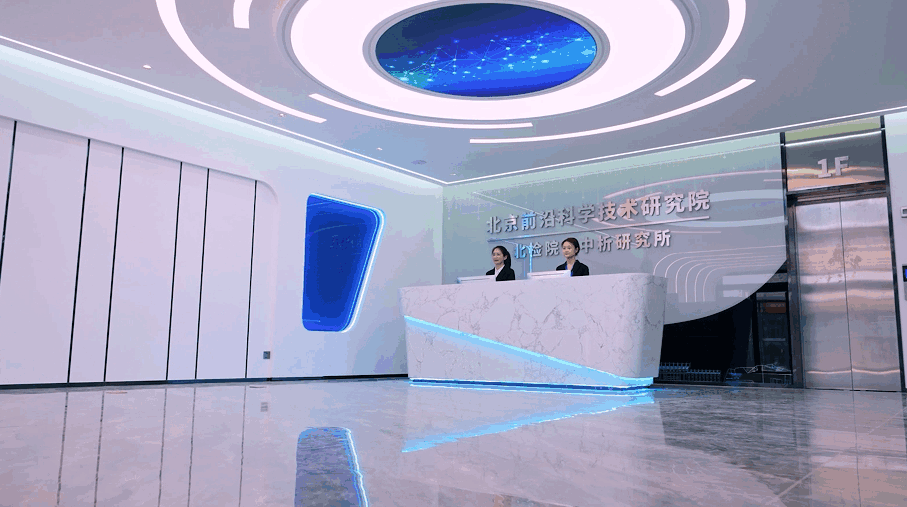
机构名称:北京中科光析科学技术研究所
简称:中析研究所
单位性质:集体所有制(股份合作)科研检测单位
隶属单位:北京前沿科学技术研究院
机构定位:以科研检测为主的科学技术研究机构;第三方分析测试技术服务单位
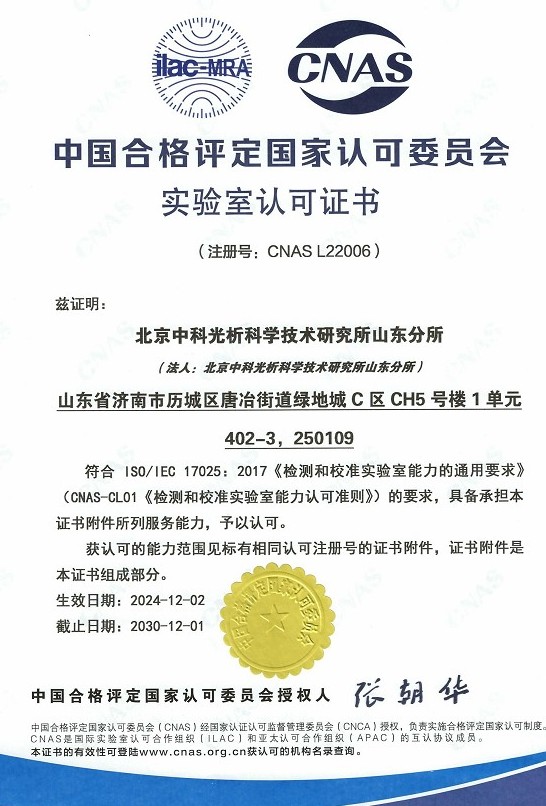
资质认可:旗下实验室获得CMA检验检测机构资质认定与CNAS实验室认可
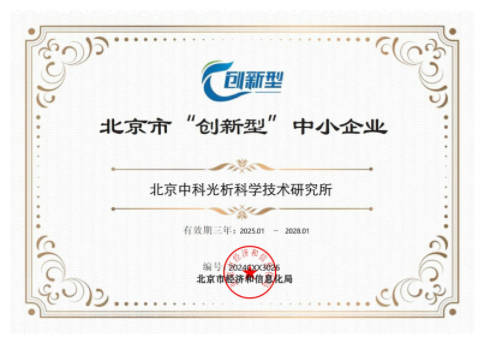
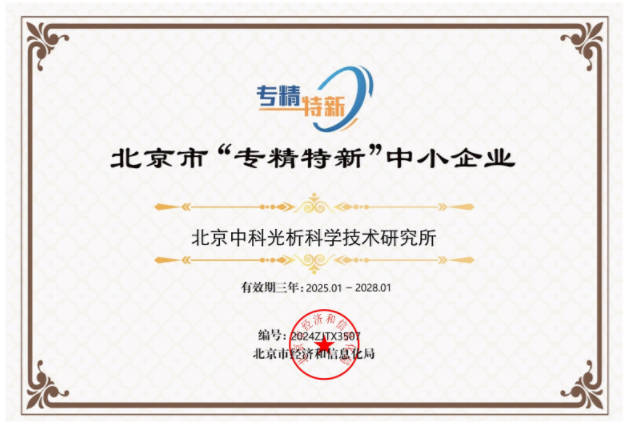
机构荣誉:国家高新技术企业、中关村高新技术企业
检测方针:公正、科学、准确、满意
执业原则:严谨、诚信
经营理念:以客户需求为中心,真正解决顾客难题
服务内容:研发设计、分析检测、试验验证、共性加工、信息及知识产权等
服务行业:航空航天、军工科研、高端制造、新能源与节能环保、石油化工、生物医药、电子信息、新材料研发、汽车及轨道交通、建筑建材等