
化学灼烧伤口LC3测试

旗下实验室资质
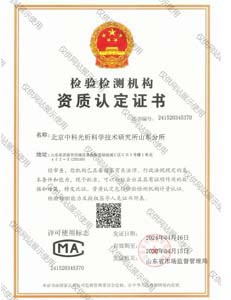
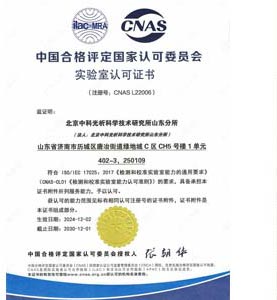
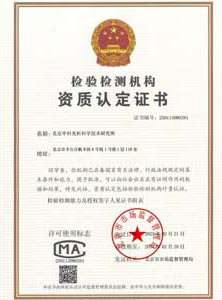
承诺:我们的检测流程严格遵循国际标准和规范,确保结果的准确性和可靠性。我们的实验室设施精密完备,配备了最新的仪器设备和领先的分析测试方法。无论是样品采集、样品处理还是数据分析,我们都严格把控每个环节,以确保客户获得真实可信的检测结果。


信息概要
- 化学灼烧伤口LC3测试是一种基于自噬标志物LC3蛋白的检测项目,用于评估化学灼伤后伤口愈合过程中的细胞自噬活动,从而指示伤口修复状态和潜在毒性效应。
- 该检测的重要性在于提供客观数据以评估化学灼伤的严重程度、预测愈合进程、避免并发症如感染或慢性伤口,并为医疗干预和产品安全评估提供科学依据。
- 第三方检测机构通过标准化流程确保测试的准确性、可靠性和合规性,帮助客户满足 regulatory requirements 和产品质量控制。
检测项目
- LC3-I/LC3-II ratio
- Cell viability
- Apoptosis rate
- Necrosis area
- Inflammation cytokine levels (e.g., IL-6)
- pH level
- Wound size
- Healing rate
- Bacterial contamination
- Protein concentration
- Gene expression of autophagy markers
- Mitochondrial function
- Reactive oxygen species (ROS) levels
- Glutathione levels
- Lipid peroxidation
- Collagen deposition
- Angiogenesis factors
- Fibroblast proliferation
- Keratinocyte migration
- Scar formation index
- Pain assessment
- Temperature of wound site
- Moisture content
- Oxygen tension
- Histological score
- Immunohistochemistry for LC3
- Western blot for LC3
- ELISA for cytokines
- PCR for autophagy genes
- Flow cytometry for cell death
检测范围
- Acid burns (e.g., sulfuric acid)
- Alkali burns (e.g., sodium hydroxide)
- Organic solvent burns (e.g., acetone)
- Oxidizing agents (e.g., hydrogen peroxide)
- Reducing agents
- Corrosive solids
- Thermal burns combined with chemical
- Electrical burns with chemical exposure
- Radiation burns with chemical
- Industrial chemical accidents
- Household chemical injuries
- Laboratory chemical exposures
- Agricultural chemical burns
- Military-related chemical injuries
- Automotive chemical burns (e.g., battery acid)
- Cleaning product burns
- Cosmetic product injuries
- Pharmaceutical compound exposures
- Biological agent burns
- Metal salt burns (e.g., silver nitrate)
- Polymer-related burns
- Dye and pigment burns
- Fuel and oil burns
- Pesticide burns
- Herbicide burns
- Insecticide burns
- Acid rain exposures
- Chemical warfare agents (simulated)
- Environmental pollutant burns
- Occupational chemical exposures
检测方法
- Western Blot: 用于分离和检测LC3蛋白表达水平,通过电泳和抗体结合实现定量分析。
- ELISA: 酶联免疫吸附 assay,用于定量测量细胞因子和炎症标志物浓度。
- Immunohistochemistry: 通过抗体标记在组织切片上局部化LC3蛋白,观察自噬体分布。
- PCR: 聚合酶链反应,分析自噬相关基因的表达变化。
- Flow Cytometry: 利用荧光标记分析细胞死亡和自噬标志物在单细胞水平。
- Microscopy: 光学或电子显微镜观察细胞形态、自噬体和伤口结构。
- Spectrophotometry: 测量样品吸光度,用于各种生化 assay 如蛋白浓度。
- Centrifugation: 分离细胞组分或颗粒,用于样品预处理。
- Cell Culture: 体外培养细胞模型,模拟化学灼伤并进行测试。
- Animal Models: 使用动物实验模拟伤口,评估整体愈合过程。
- Histology: 组织学处理和分析,评估伤口组织结构变化。
- Cytotoxicity Assays: 如MTT assay,测量细胞存活率和毒性效应。
- ROS Detection Kits: 使用化学探针测量活性氧 species 水平。
- Glutathione Assay: 通过酶法或色谱测量抗氧化剂 glutathione 含量。
- Lipid Peroxidation Assay: 评估氧化应激通过测量脂质过氧化物。
- Collagen Assay: 定量分析胶原蛋白沉积,指示伤口修复质量。
- Angiogenesis Assay: 评估血管生成因素,如通过 tube formation 测试。
- Migration Assay: 细胞迁移测试,如 scratch assay,评估愈合速度。
- Scar Assessment Scales: 临床评分系统,评估疤痕形成和外观。
- pH Testing: 使用pH计或试纸测量伤口环境的酸碱度。
检测仪器
- Microplate Reader
- Centrifuge
- Microscopy System
- Western Blot Apparatus
- ELISA Reader
- PCR Machine
- Flow Cytometer
- Spectrophotometer
- Incubator
- Autoclave
- Laminar Flow Hood
- Microtome
- Cryostat
- Gel Electrophoresis System
- Image Analysis Software
注意:因业务调整,暂不接受个人委托测试。
以上是关于化学灼烧伤口LC3测试的相关介绍,如有其他疑问可以咨询在线工程师为您服务。
了解中析


实验室仪器


合作客户


